Pricing, scope, process, payment — everything people ask before working with me, answered upfront.
I price based on scope, not hours. After an initial conversation I'll put together a clear proposal that breaks down what's included, what the deliverables are, and what it costs — no vague day-rate estimates that balloon later. For ongoing retainer work, we agree on a monthly scope and adjust each quarter if needed.
Both, depending on what suits the project. Fixed-price works well when the scope is well-defined — discovery, a design sprint, a handoff package. Time-and-materials makes more sense for embedded retainer work or longer-running projects where scope naturally evolves. I'll recommend the right model for your situation.
For fixed-scope projects I typically invoice 50% upfront and 50% on completion. For retainer engagements I invoice monthly in advance. I use standard 14-day payment terms and accept bank transfer or Stripe. Everything is issued through a proper tax invoice — no awkward spreadsheet quotes.
Transparently. If something comes up that sits outside the agreed scope I'll flag it before doing the work — not after. We'll either fold it into a scope change with a revised quote, or park it for a future phase. I'd rather have that conversation early than create a surprise invoice.
Every engagement starts with a kickoff to align on goals, constraints, stakeholders, and success metrics. From there I build a simple project plan in Notion — phases, milestones, review checkpoints, and a clear handoff plan. I share this with the whole team so everyone knows what's happening and when.
Discovery is where I do the thinking that makes the rest of the project move faster. It typically includes stakeholder interviews, a review of any existing research or analytics, competitor analysis, and a synthesis session to align on the core problem we're solving. The output is usually a brief or a set of design principles that anchors everything that follows.
I structure projects around review checkpoints rather than counting revision rounds — it's a healthier way to work. At each checkpoint we gather consolidated feedback before moving forward. If we're going in circles it usually means the brief needs tightening, not more iterations, so I'll surface that conversation directly.
A signed proposal, the deposit invoice settled, and access to any existing assets — brand guidelines, analytics, prior research, Figma files. Beyond that, a 60-minute kickoff call with the key decision-makers is enough to get moving. I don't need a perfectly defined brief to start; part of my job is helping you get to one.
Yes, and it's often the most effective way to work together. A monthly retainer gives you a predictable design resource without the overhead of hiring — and gives me enough context to produce better work over time. Retainers typically cover a set number of days per month with a defined focus area, reviewed each quarter.
I put together a proper handoff package — organised Figma files with named layers and components, a handoff doc covering specs, interactions, and any edge cases, plus a short walkthrough session with your engineering team if needed. The goal is that work doesn't stall the moment I step back.
 App
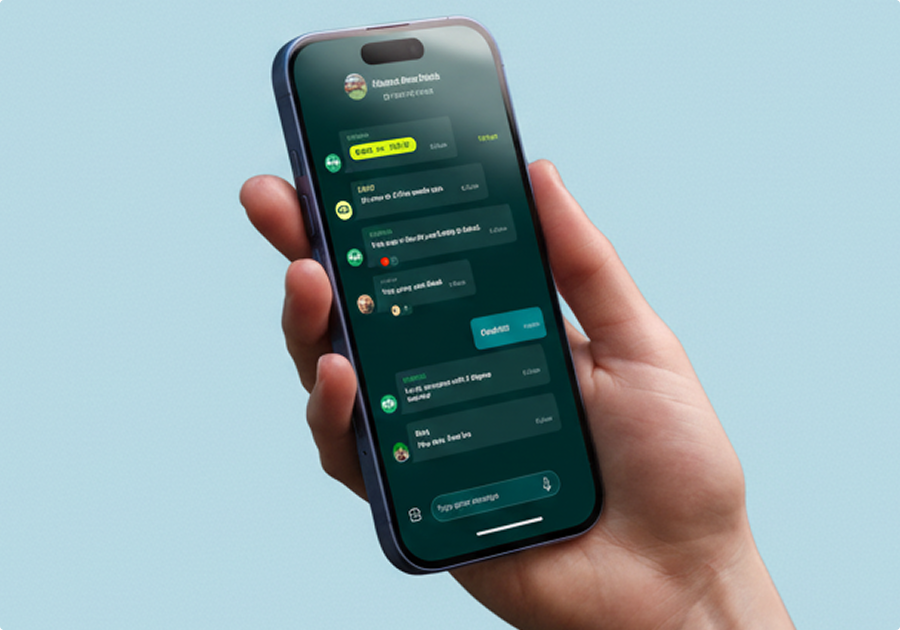
Tab App
App
Tab App
 App
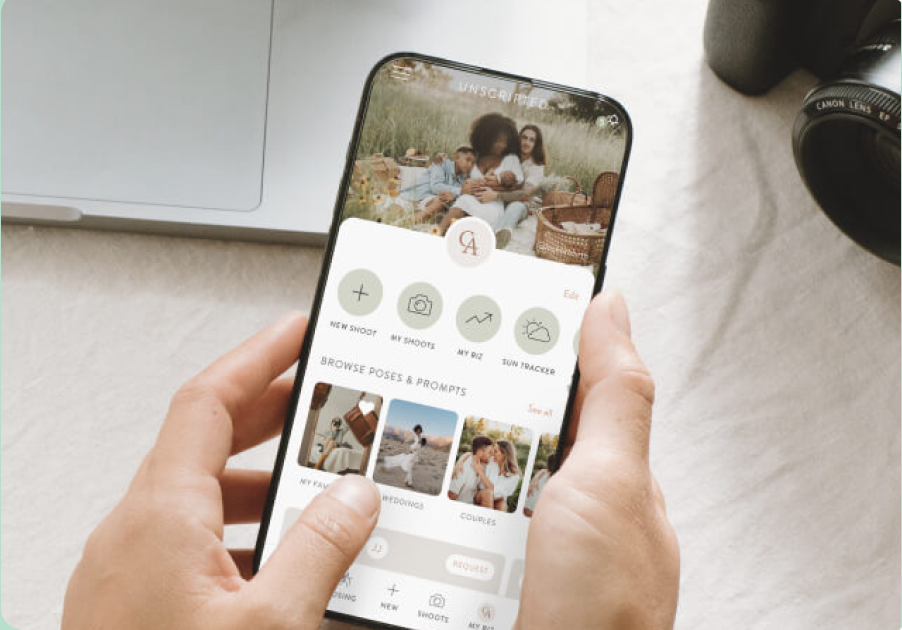
Unscripted
App
Unscripted
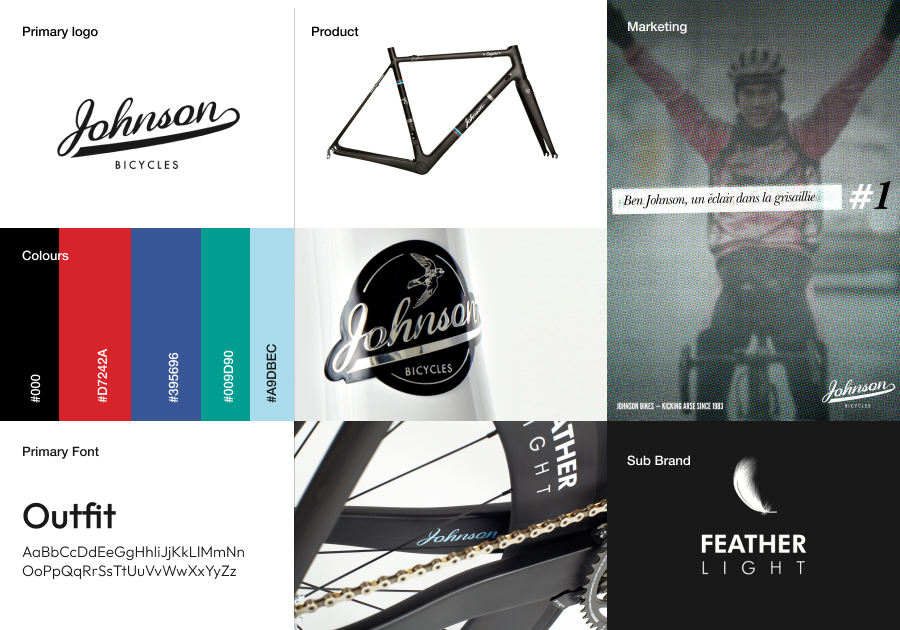 Brand
Johnson Brand
Brand
Johnson Brand
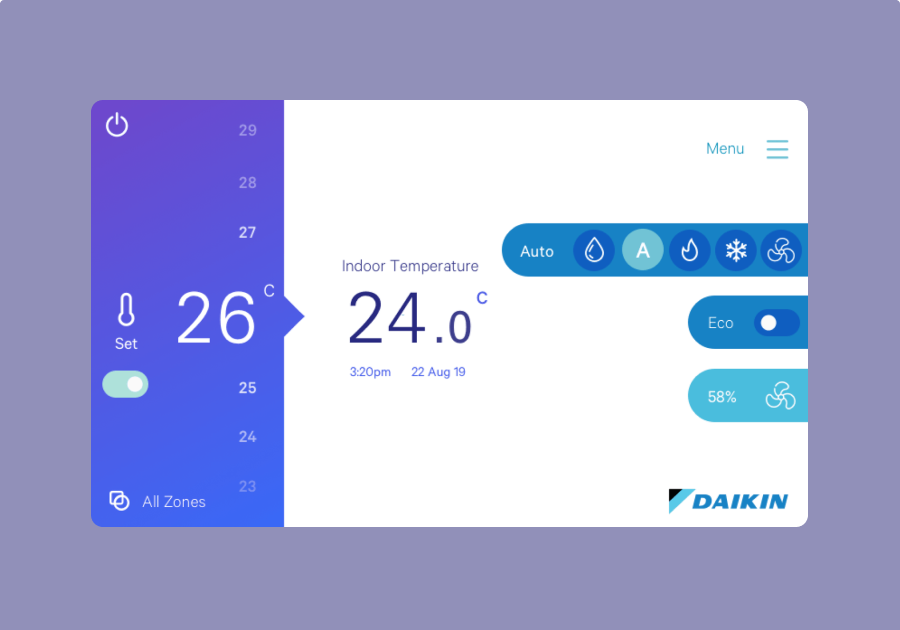 App
Daikin
App
Daikin
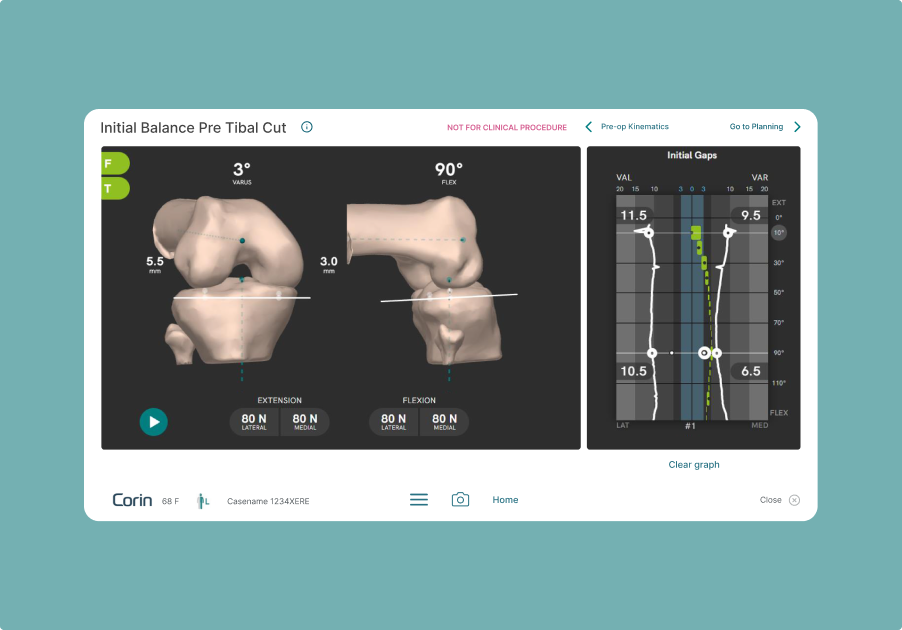 App
Corin
App
Corin
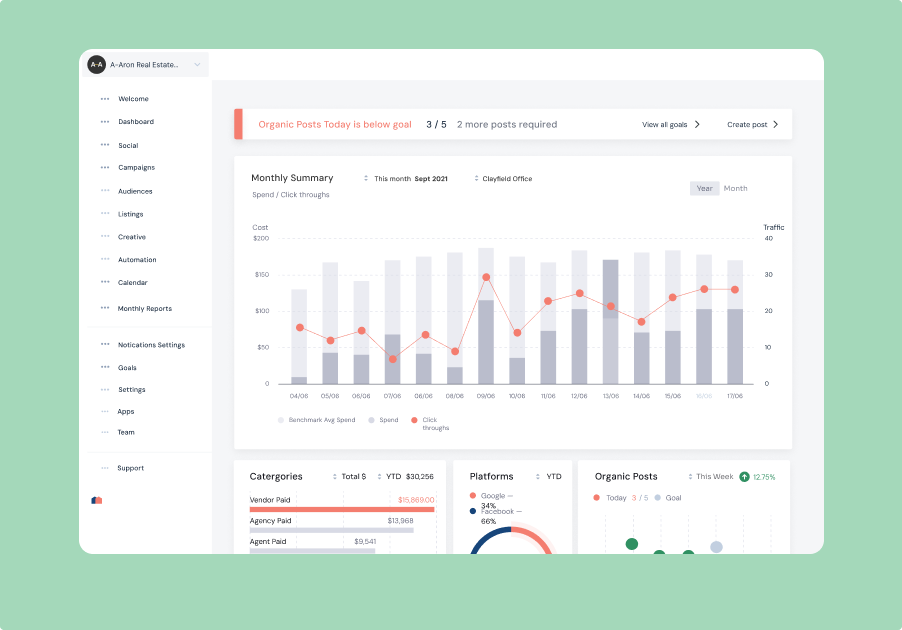 App
Properti
App
Properti
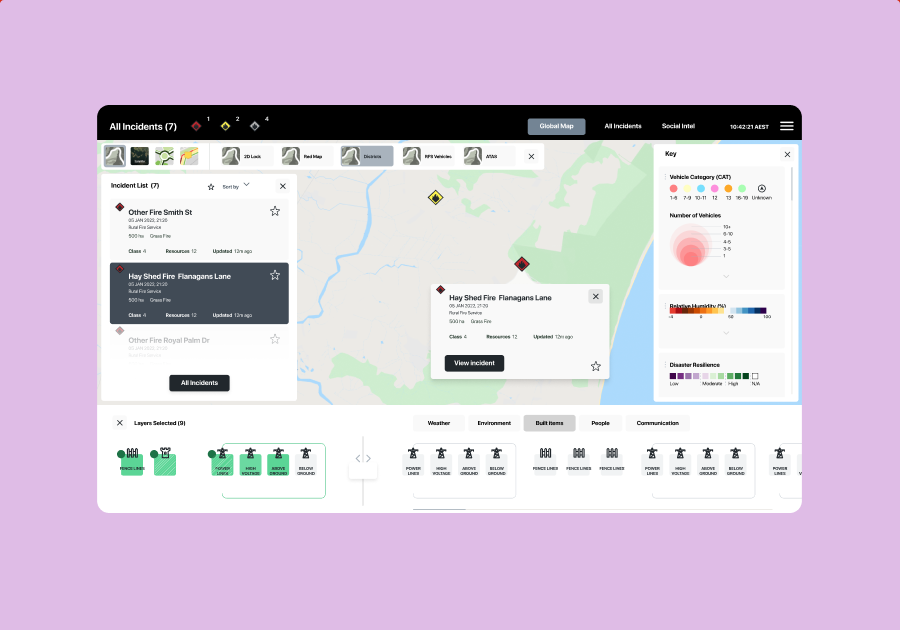 App
RFS
App
RFS
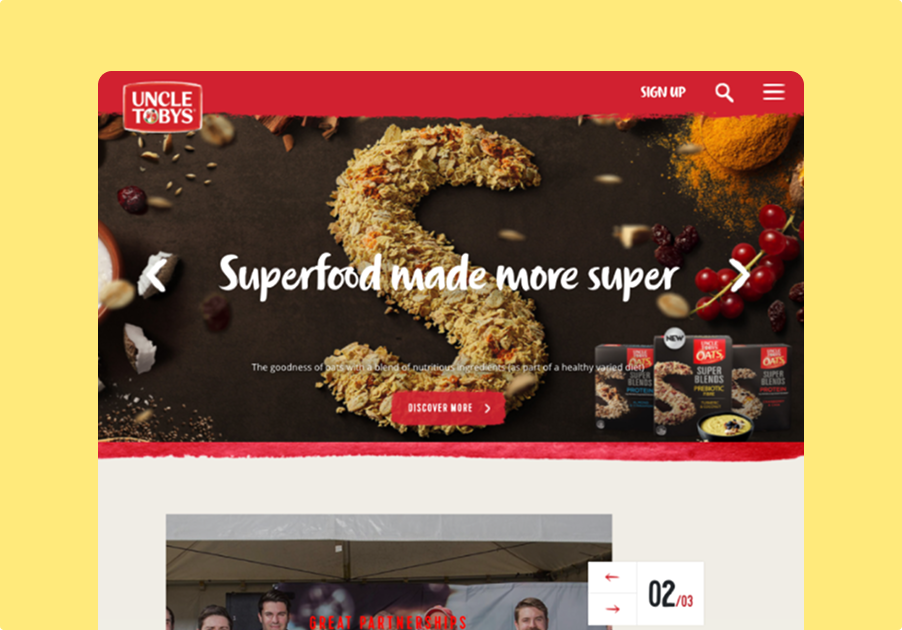 UX
Uncle Tobys
UX
Uncle Tobys
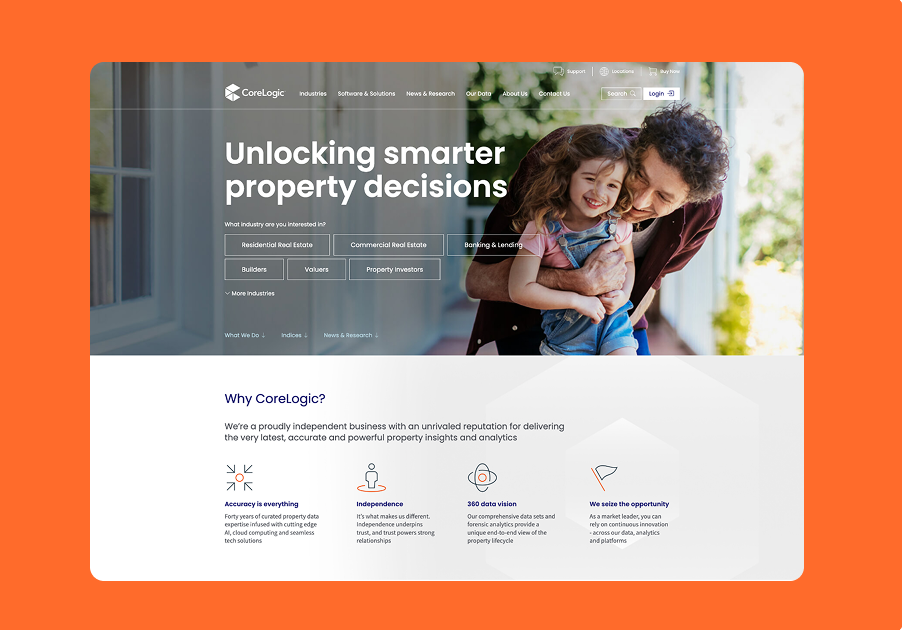 UX
CoreLogic
UX
CoreLogic
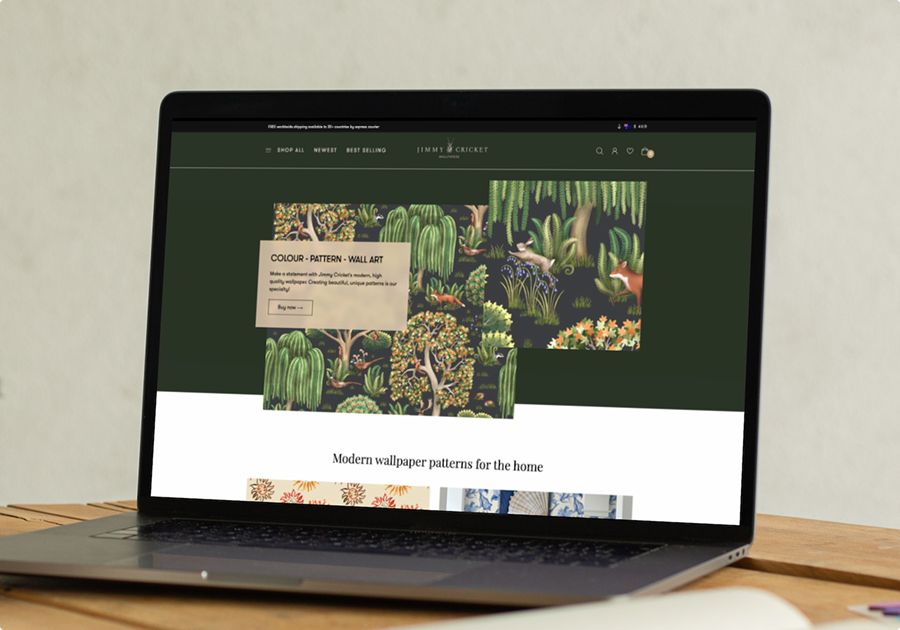 UX
Jimmy Cricket
UX
Jimmy Cricket
 App
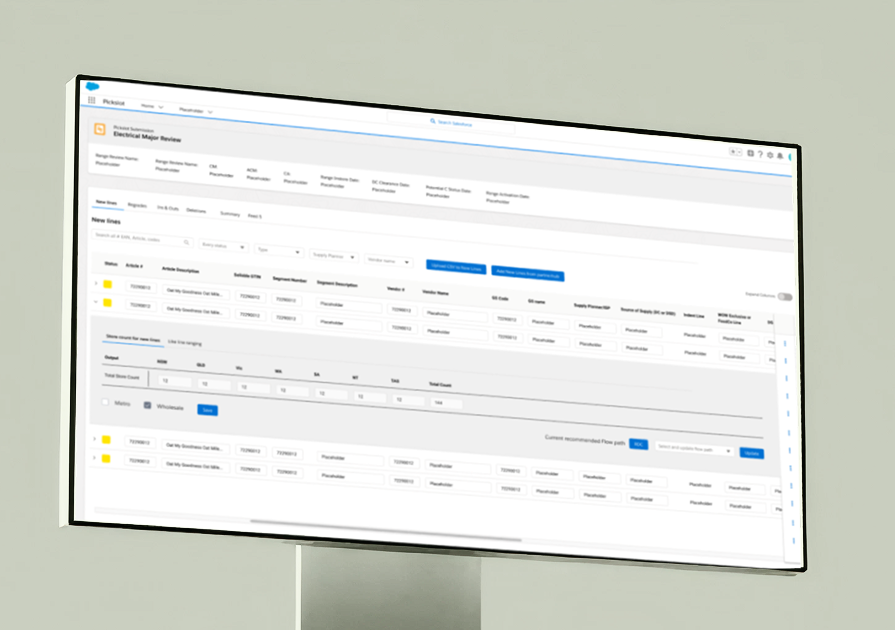
Woolworths
App
Woolworths
 UX
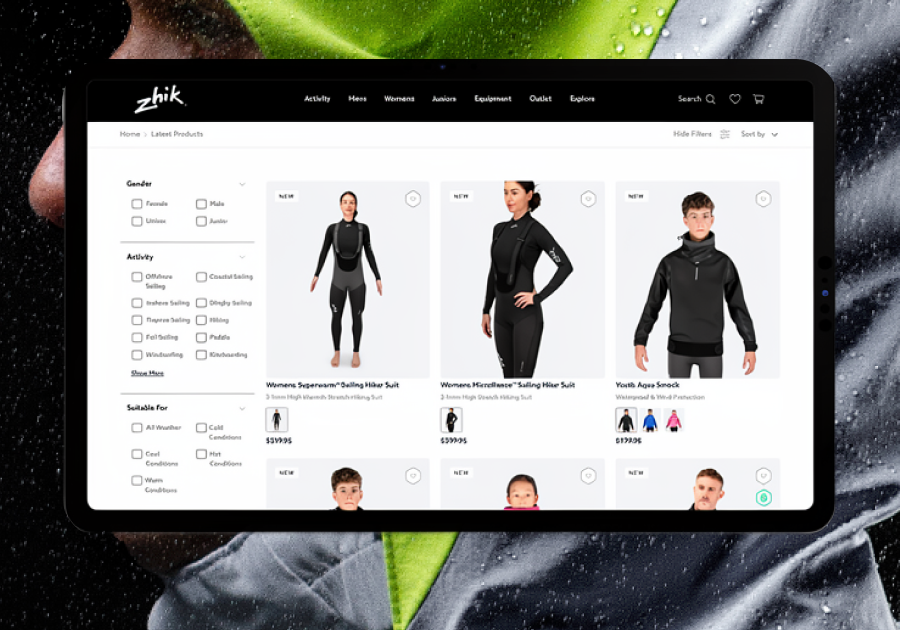
Zhik
UX
Zhik
 App
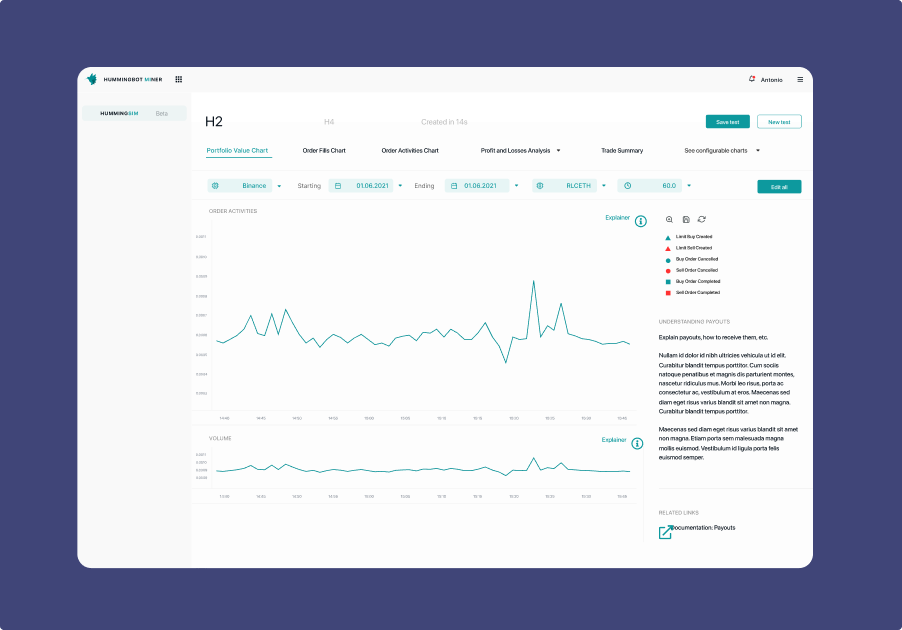
Hummingbot
App
Hummingbot
 Brand
Supapix
Brand
Supapix
 Brand
3 Bees Honey
Brand
3 Bees Honey
 Brand
Kenko
Brand
Kenko
 Brand
Sony Music
Brand
Sony Music
 App
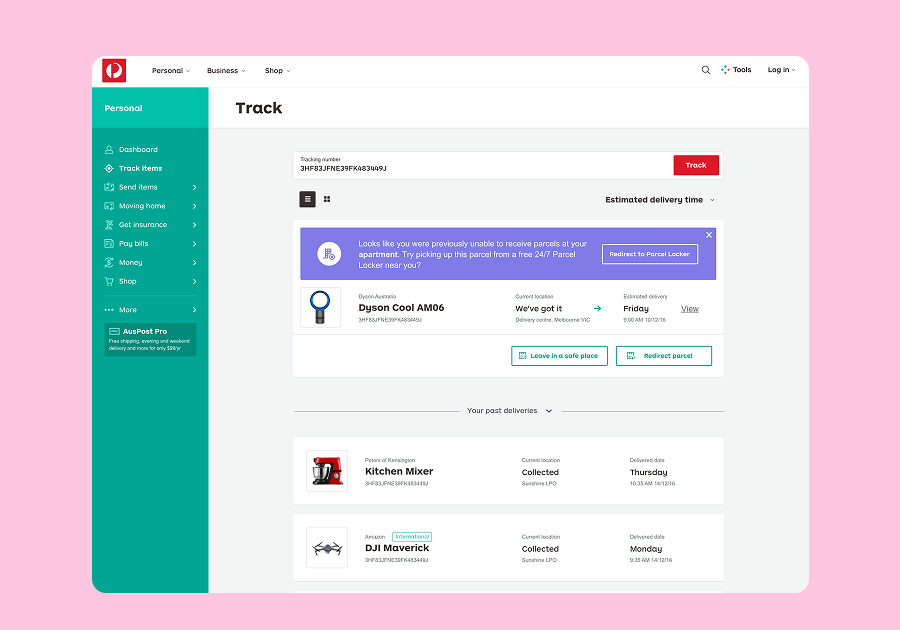
Auspost
App
Auspost
 App
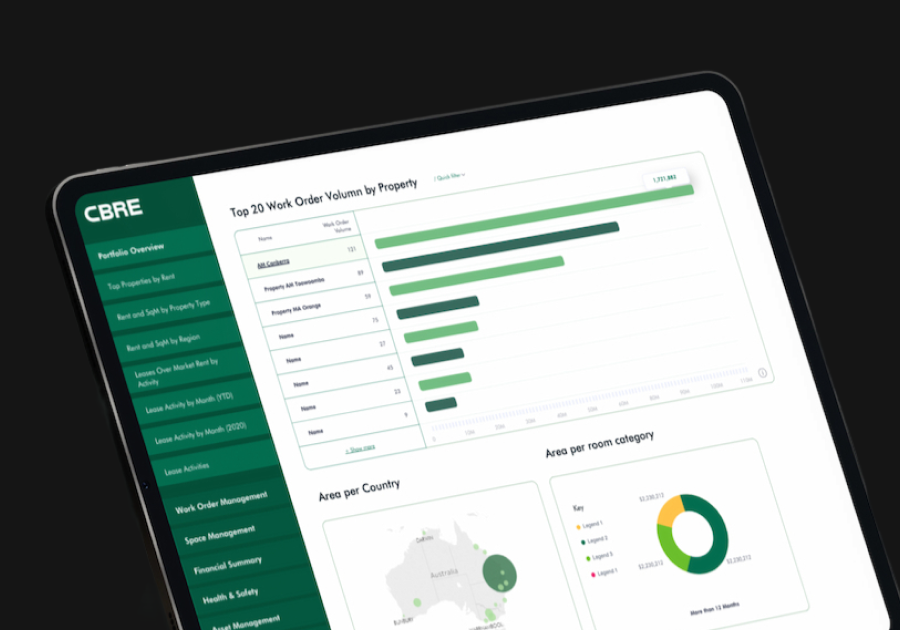
CBRE
App
CBRE
 App
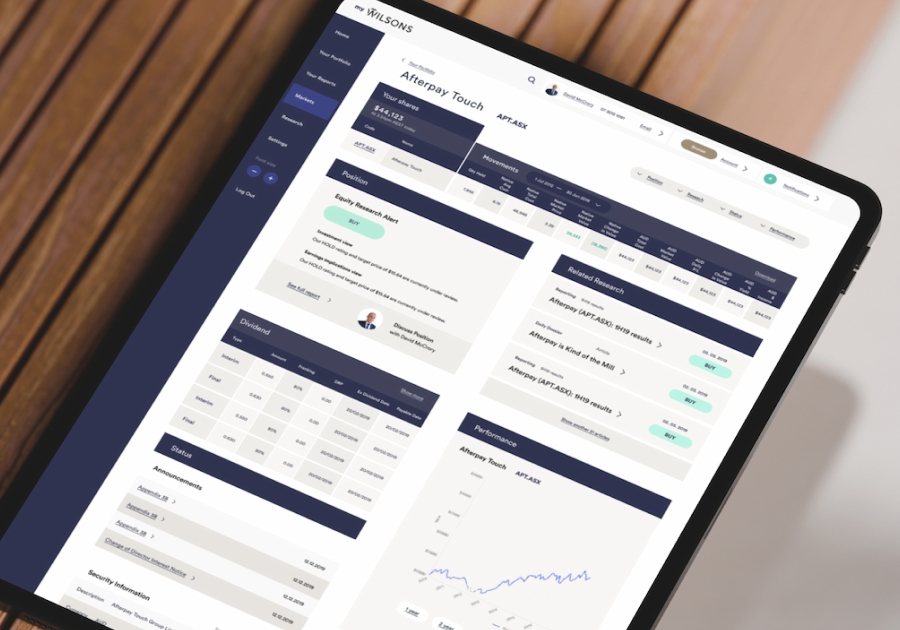
Wilsons Advisory
App
Wilsons Advisory
 UX
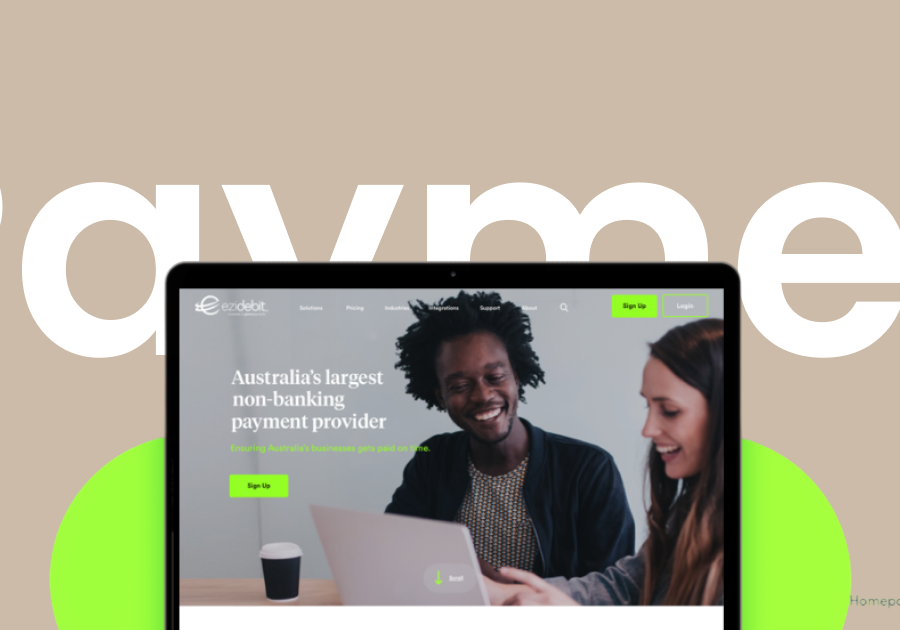
Ezidebit
UX
Ezidebit
 UX
Magic Bra
UX
Magic Bra