I help businesses create better UX for Apps and Websites
20+ years helping organisations like Australia Post, Woolworths, IBM and Mastercard design products customers love.
Wise move. "Play is the highest form of research." — Albert Einstein
 App
Tab App
App
Tab App
 App
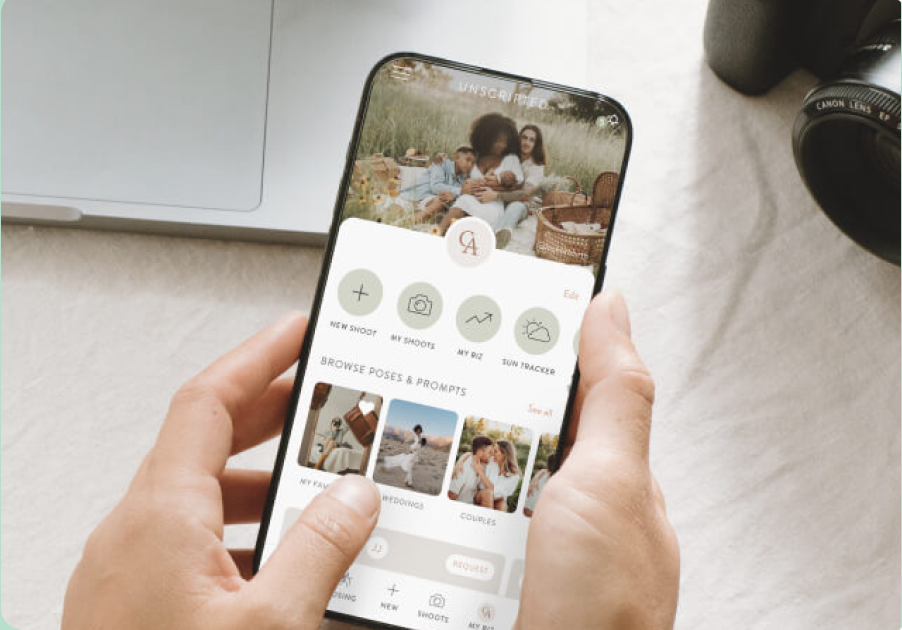
Unscripted
App
Unscripted
 Brand
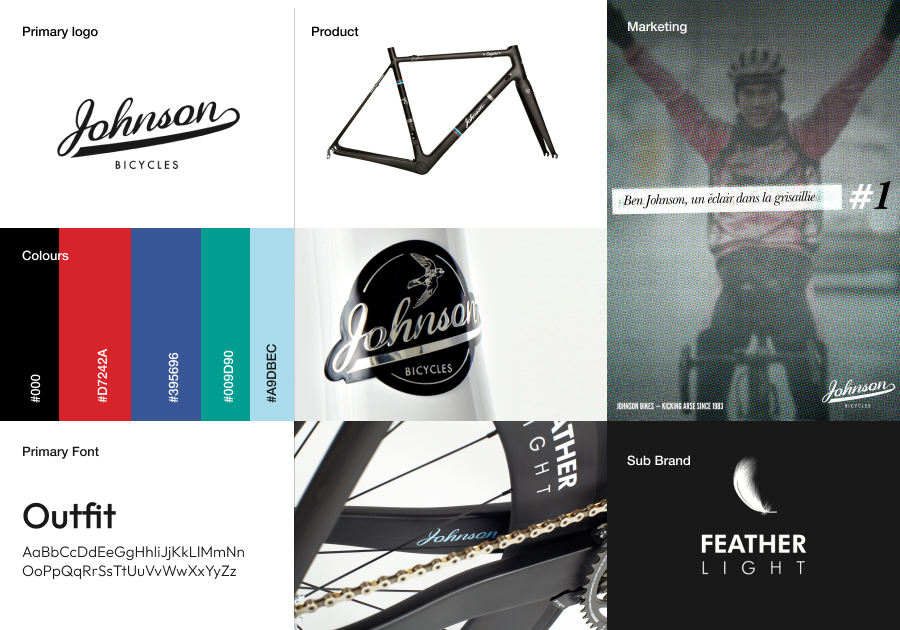
Johnson Bicycles
Brand
Johnson Bicycles
 App
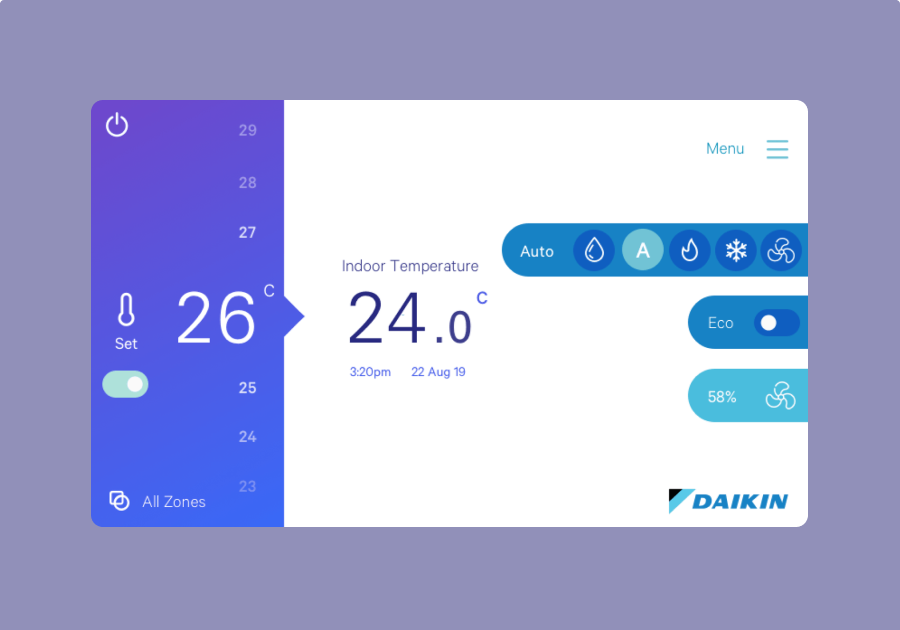
Daikin
App
Daikin
 UX
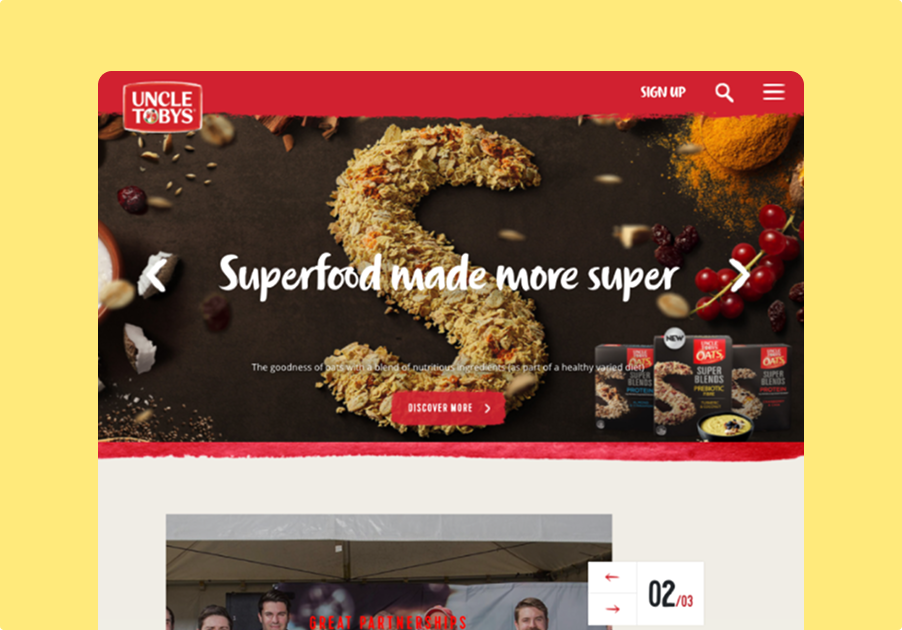
Uncle Tobys
UX
Uncle Tobys
 App
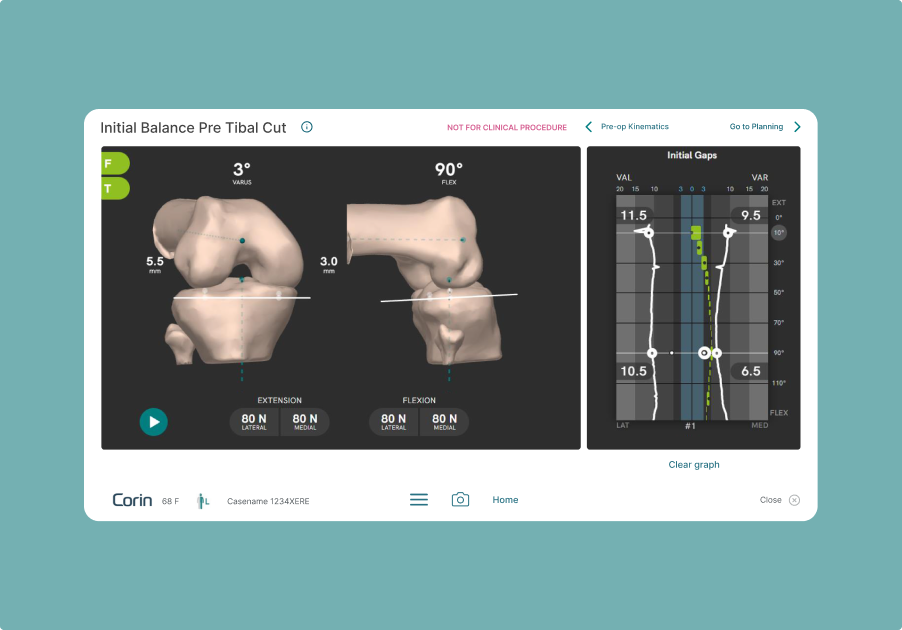
Corin
App
Corin
 App
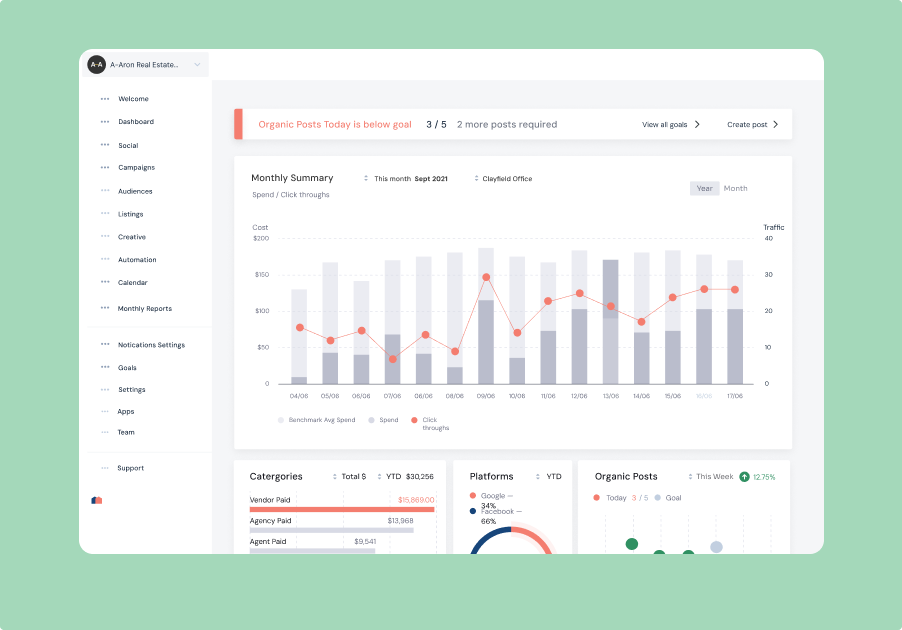
Properti
App
Properti
 App
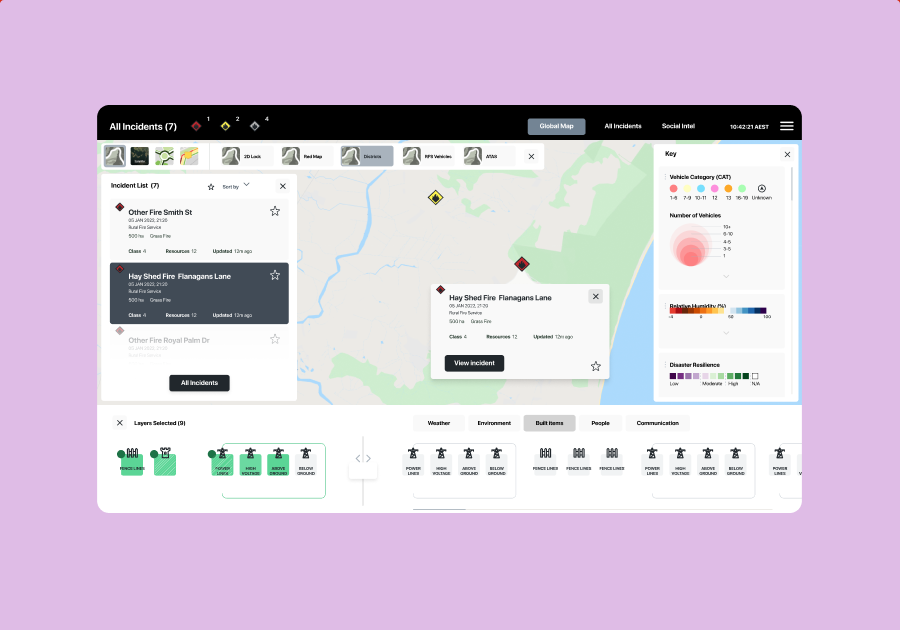
RFS
App
RFS
 UX
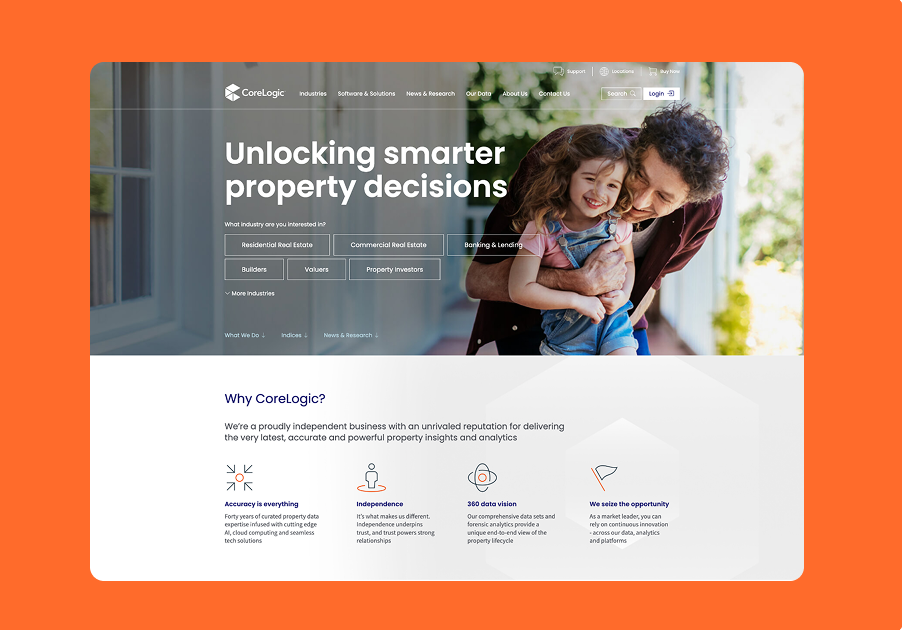
CoreLogic
UX
CoreLogic
 App
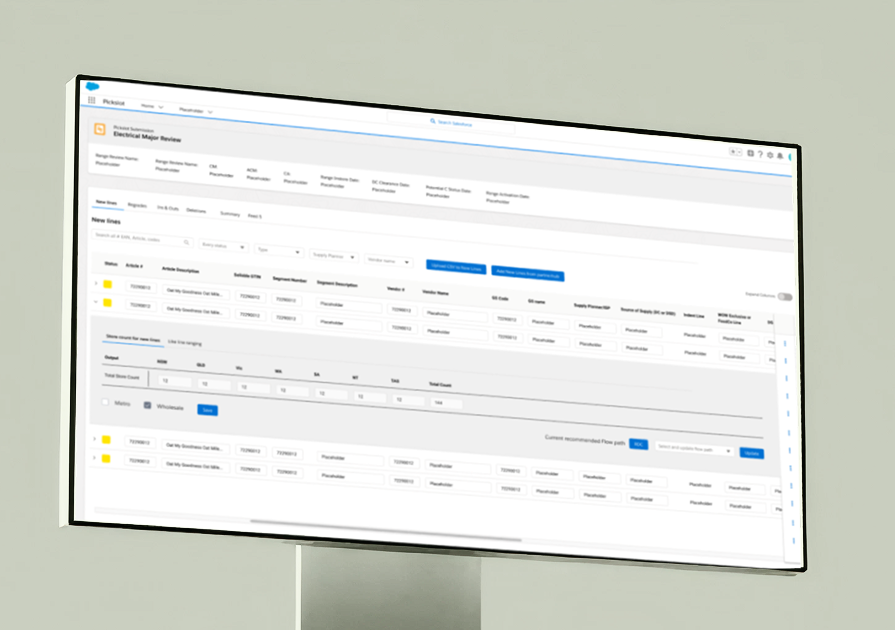
Woolworths
App
Woolworths
 UX
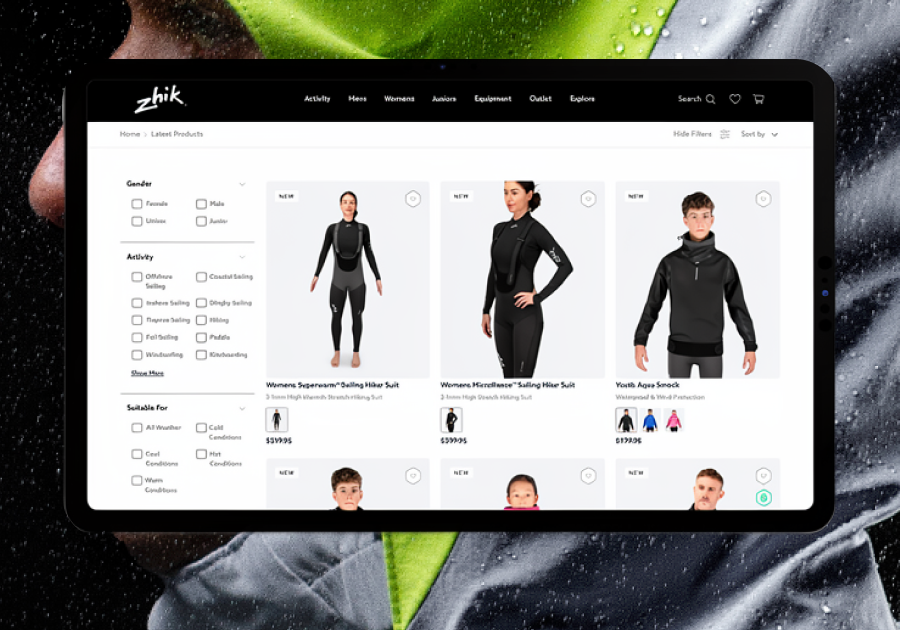
Zhik
UX
Zhik
 App
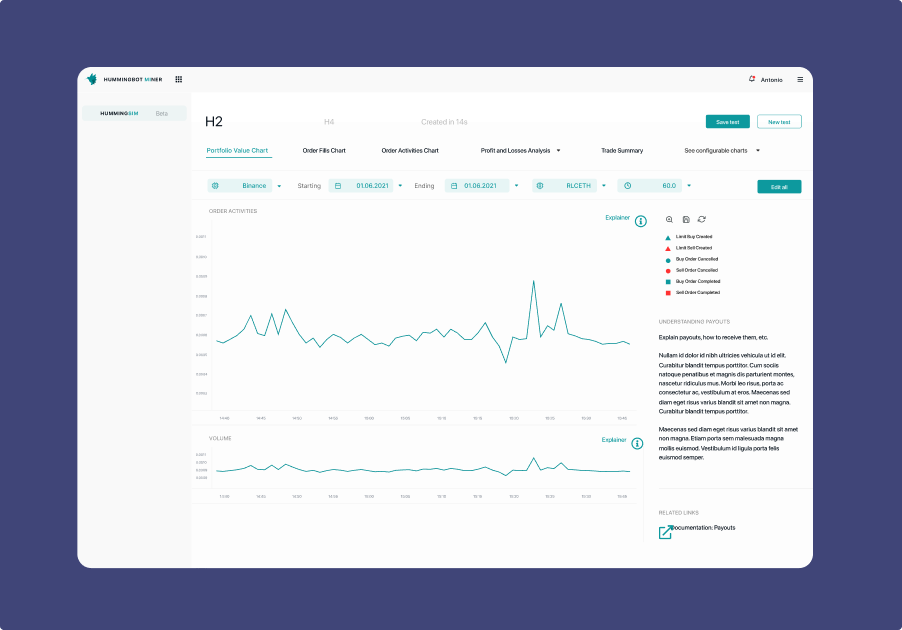
Hummingbot
App
Hummingbot
 Brand
Supapix
Brand
Supapix
 Brand
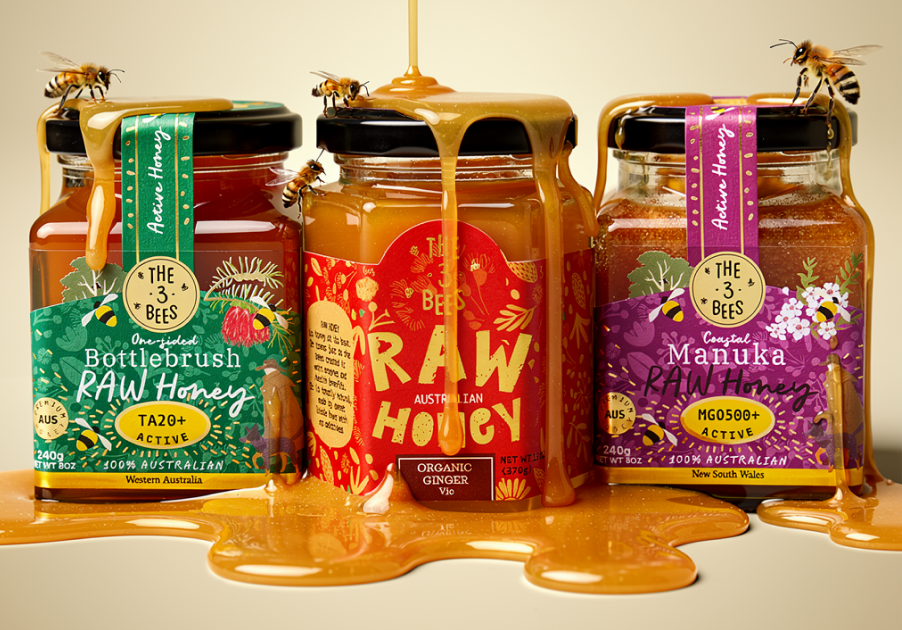
3 Bees Honey
Brand
3 Bees Honey
 Brand
Kenko
Brand
Kenko
 Brand
Sony Music
Brand
Sony Music
 App
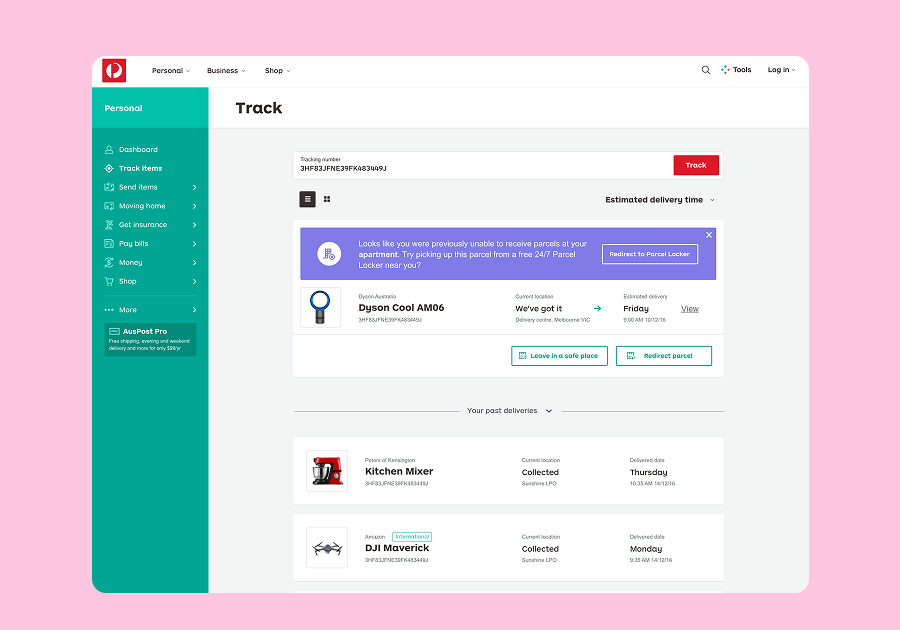
Auspost
App
Auspost
 App
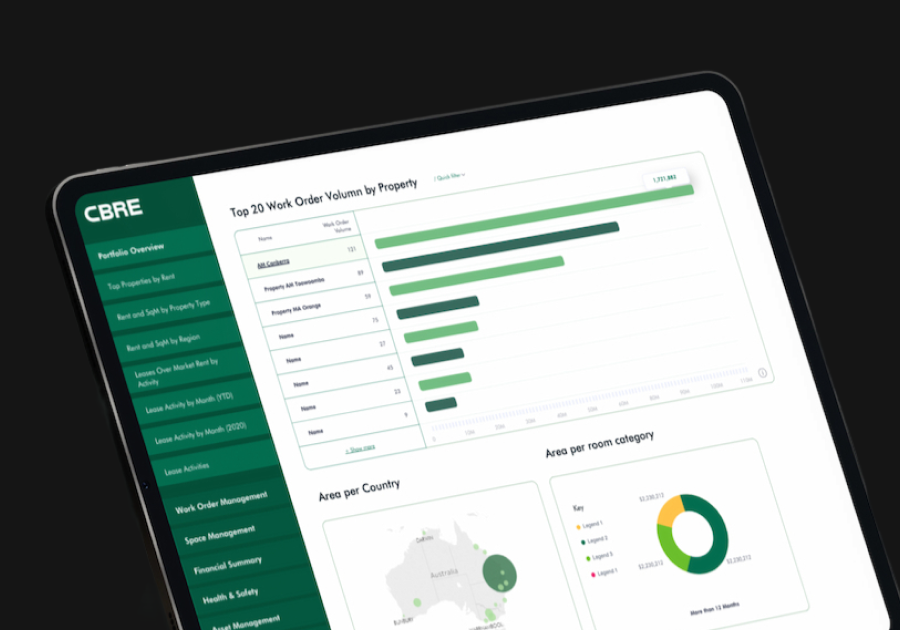
CBRE
App
CBRE
 App
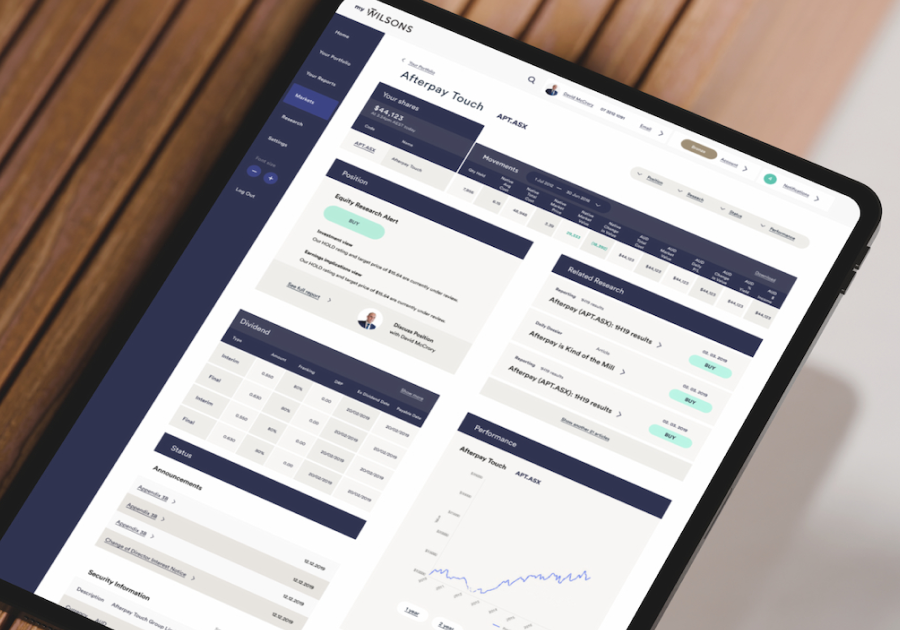
Wilsons Advisory
App
Wilsons Advisory
 App
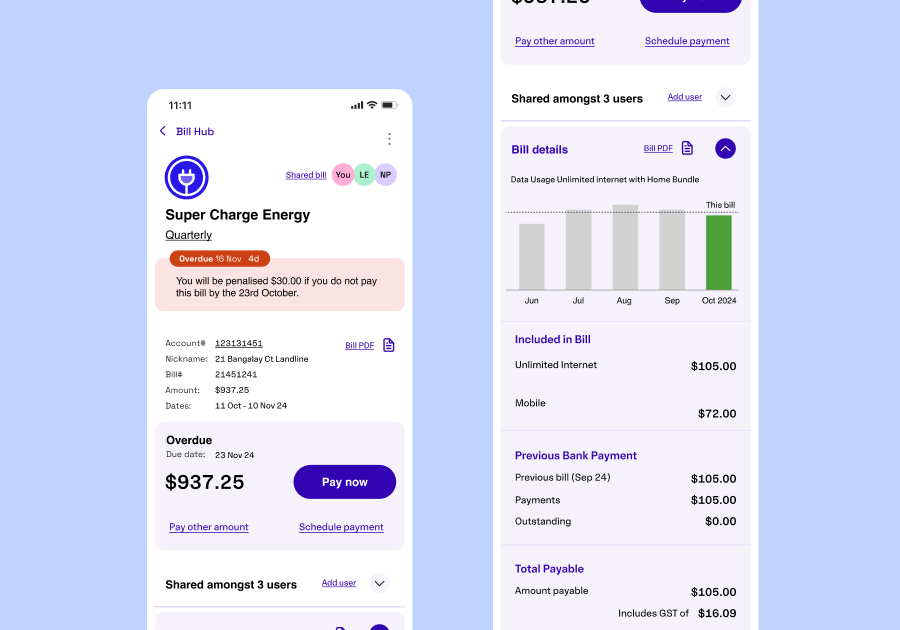
BPAY
App
BPAY
 App
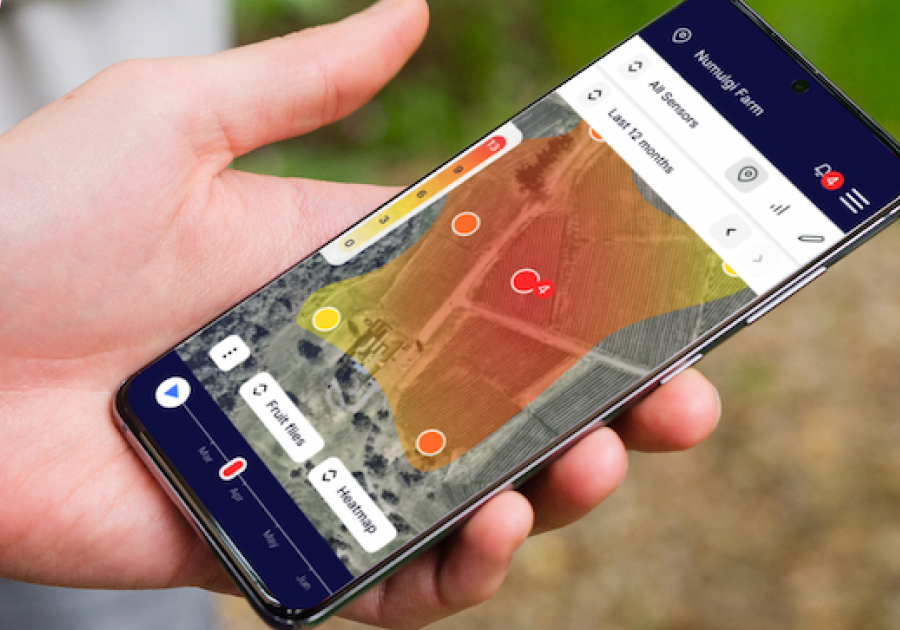
RapidAIM
App
RapidAIM
 UX
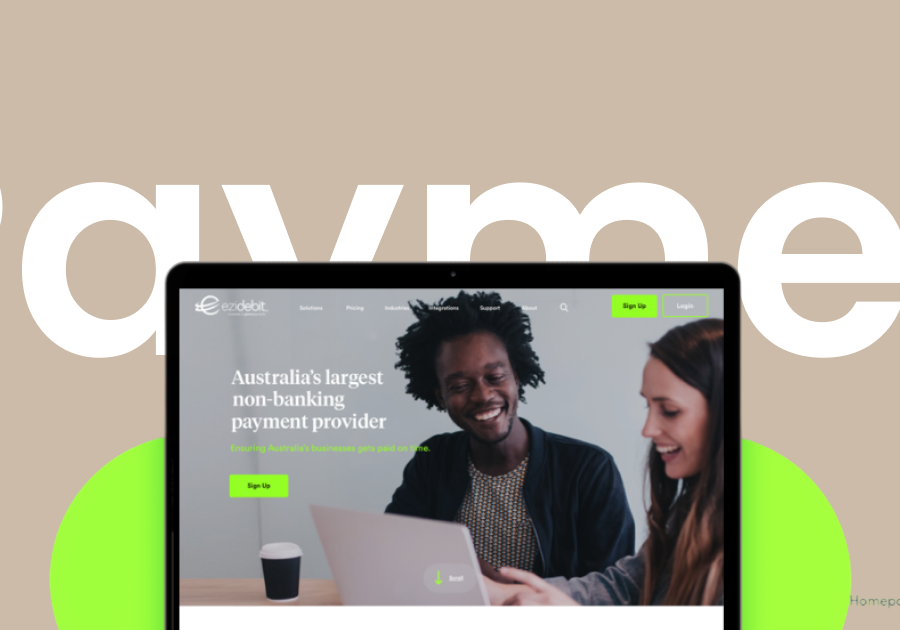
Ezidebit
UX
Ezidebit
 UX
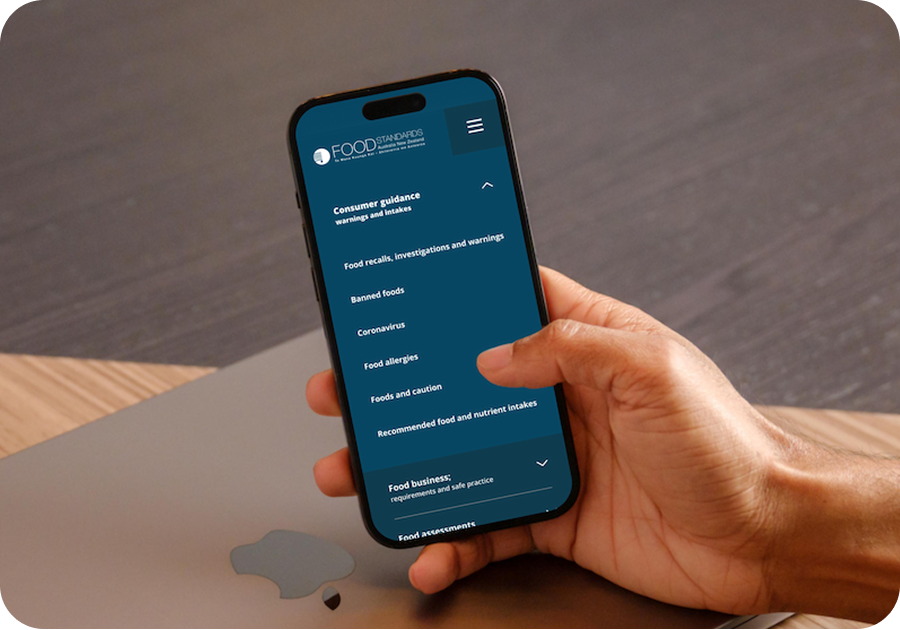
FSANZ
UX
FSANZ
 UX
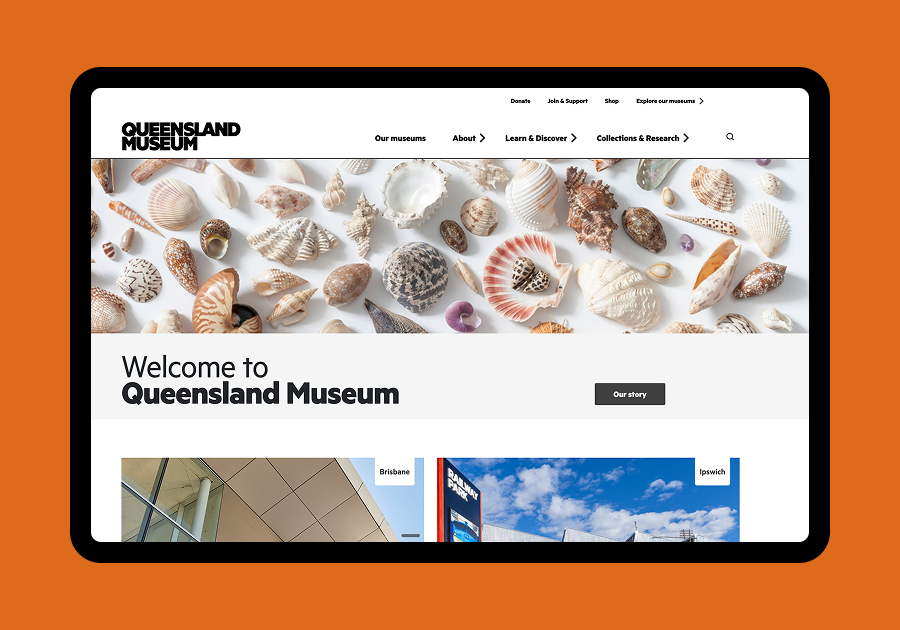
Queensland Museum
UX
Queensland Museum
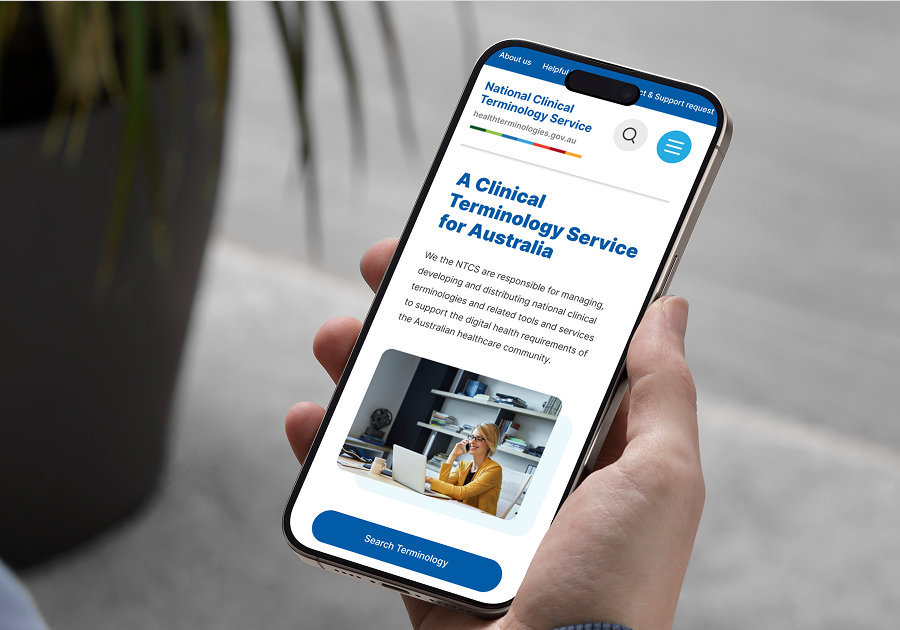 UX
Ausgov NCTS
UX
Ausgov NCTS
































"Chris transformed our product in ways we hadn't imagined. He joined mid-build, mapped the UX gaps in a single day, and redesigned the flows that were costing us conversions. New onboarding alone moved our activation rate by 22%."
"We came to Chris with a basic MVP and an idea. His strategic product design turned it into an app a million users genuinely love — plus the business management web app that runs the operation behind it."
"Chris joined to rapidly prototype a new payment concept and consistently delivered exceptional customer experiences under pressure. He combines speed, creativity, and execution in a way that elevates the end result every time."
"Chris has always delivered high quality website designs for us; he actually contributes original features to the designs, rather than just laying out the assets we supply. If that sounds like I'm damning with faint praise, I can promise I'm not. It's all too rare to find good value freelancers who are genuinely creative."
"I'd worked with Chris back in 2013, and brought him into Bugcrowd to help us start reimagining the site. His attention to detail and natural ease made it an obvious call to bring him back for the larger branded rollout."
"We needed brand, website, and app screens in six weeks. Chris delivered everything with time to spare. The website converted at twice the industry benchmark on day one. We've worked with him on every project since."
"Chris built our brand from the ground up — identity, packaging, and the premium line that's now stocked in hundreds of outlets and markets across the country. Then he rebuilt our Shopify store and tripled our sales. He sees the whole picture and ships every part of it himself."
"It was a pleasure to have Chris steward a major redesign of the Curiious platform. We interviewed a sea of candidates and he was far and away the best of the lot. Our product is fairly unique, but he just 'got it' — quickly. Beyond the design eye, the insight he's gathered for us is invaluable and will inform product decisions well into the future. Highly recommend."
"We chose Chris from 95 other applicants and he didn't disappoint — embedded seamlessly in our delivery team from day one. He designed our full distributed booking marketplace for warehouse allocations — work that shipped straight into production. We've since had him on product strategy too."
I price based on scope, not hours. After an initial conversation I'll put together a clear proposal that breaks down what's included, what the deliverables are, and what it costs — no vague day-rate estimates that balloon later. For ongoing retainer work, we agree on a monthly scope and adjust each quarter if needed.
Both, depending on what suits the project. Fixed-price works well when the scope is well-defined — discovery, a design sprint, a handoff package. Time-and-materials makes more sense for embedded retainer work or longer-running projects where scope naturally evolves. I'll recommend the right model for your situation.
For fixed-scope projects I typically invoice 50% upfront and 50% on completion. For retainer engagements I invoice monthly in advance. I use standard 14-day payment terms and accept bank transfer or Stripe. Everything is issued through a proper tax invoice — no awkward spreadsheet quotes.
Transparently. If something comes up that sits outside the agreed scope I'll flag it before doing the work — not after. We'll either fold it into a scope change with a revised quote, or park it for a future phase. I'd rather have that conversation early than create a surprise invoice.
Every engagement starts with a kickoff to align on goals, constraints, stakeholders, and success metrics. From there I build a simple project plan in Notion — phases, milestones, review checkpoints, and a clear handoff plan. I share this with the whole team so everyone knows what's happening and when.
Discovery is where I do the thinking that makes the rest of the project move faster. It typically includes stakeholder interviews, a review of any existing research or analytics, competitor analysis, and a synthesis session to align on the core problem we're solving. The output is usually a brief or a set of design principles that anchors everything that follows.
I structure projects around review checkpoints rather than counting revision rounds — it's a healthier way to work. At each checkpoint we gather consolidated feedback before moving forward. If we're going in circles it usually means the brief needs tightening, not more iterations, so I'll surface that conversation directly.
A signed proposal, the deposit invoice settled, and access to any existing assets — brand guidelines, analytics, prior research, Figma files. Beyond that, a 60-minute kickoff call with the key decision-makers is enough to get moving. I don't need a perfectly defined brief to start; part of my job is helping you get to one.
Yes, and it's often the most effective way to work together. A monthly retainer gives you a predictable design resource without the overhead of hiring — and gives me enough context to produce better work over time. Retainers typically cover a set number of days per month with a defined focus area, reviewed each quarter.
I put together a proper handoff package — organised Figma files with named layers and components, a handoff doc covering specs, interactions, and any edge cases, plus a short walkthrough session with your engineering team if needed. The goal is that work doesn't stall the moment I step back.