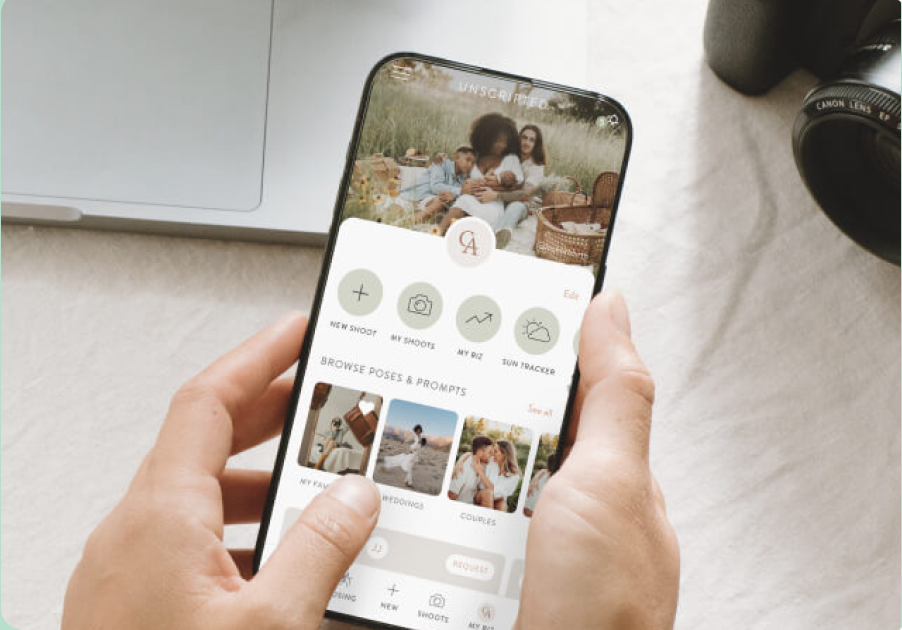
 Unscripted
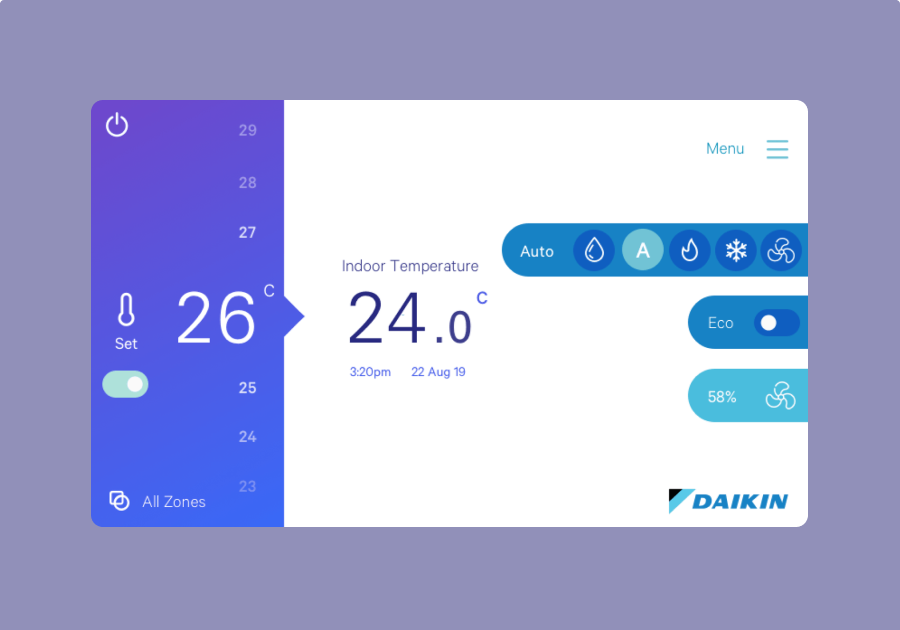 Daikin
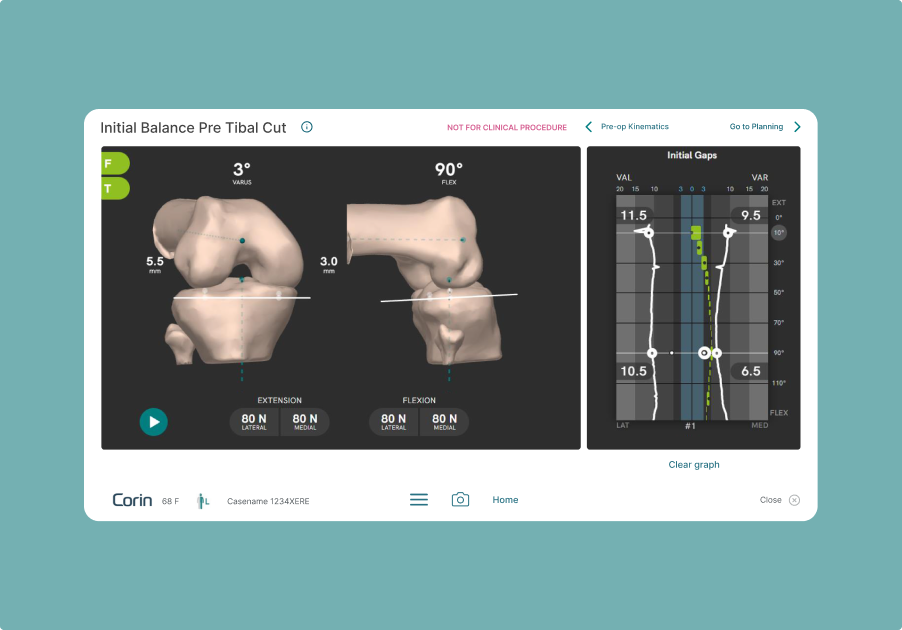 Corin
Corin
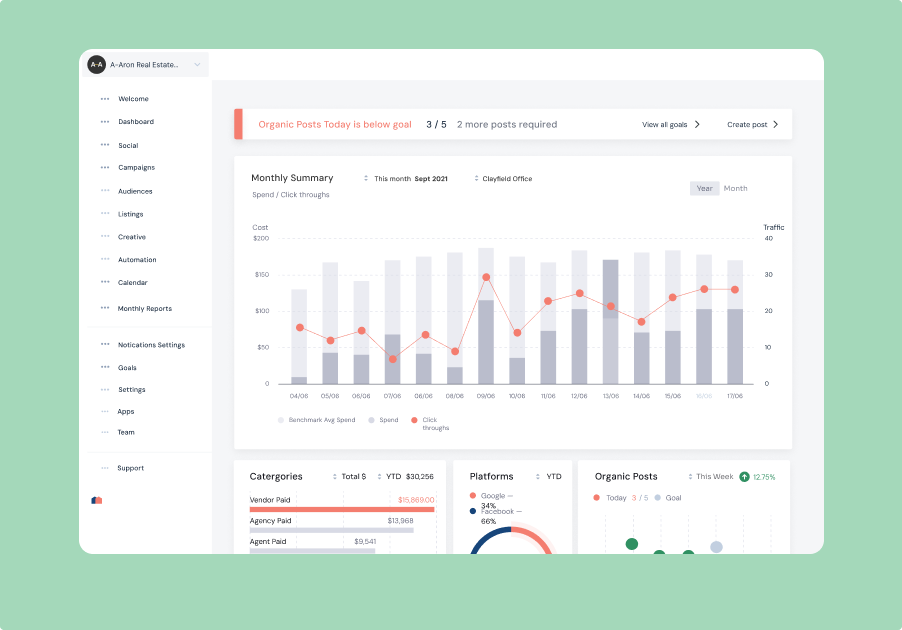 Properti
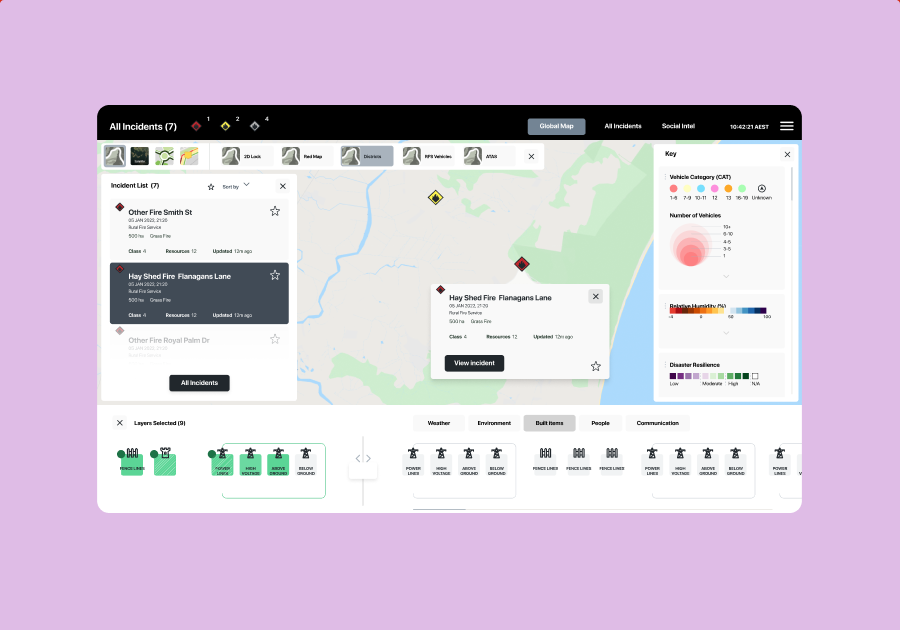 RFS
RFS
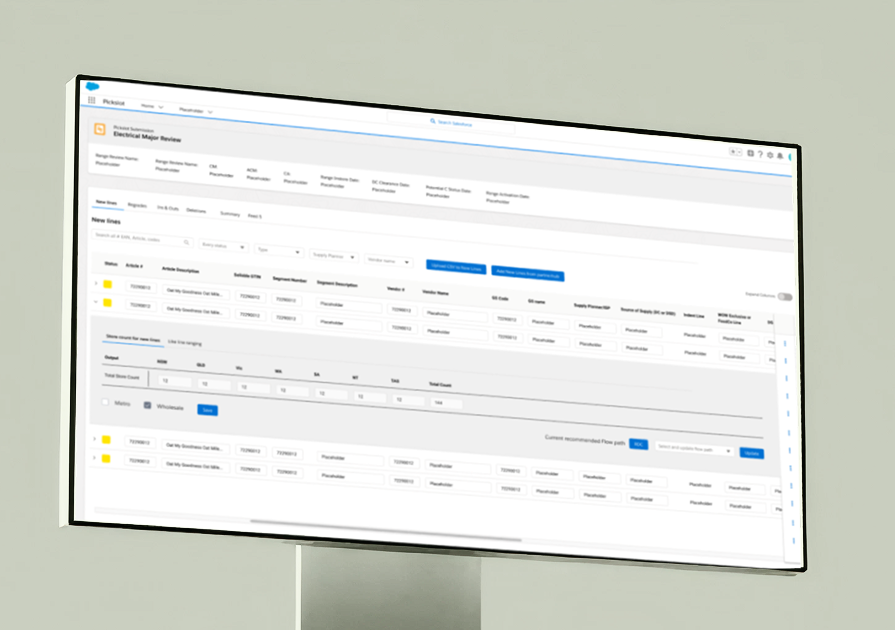 Woolworths
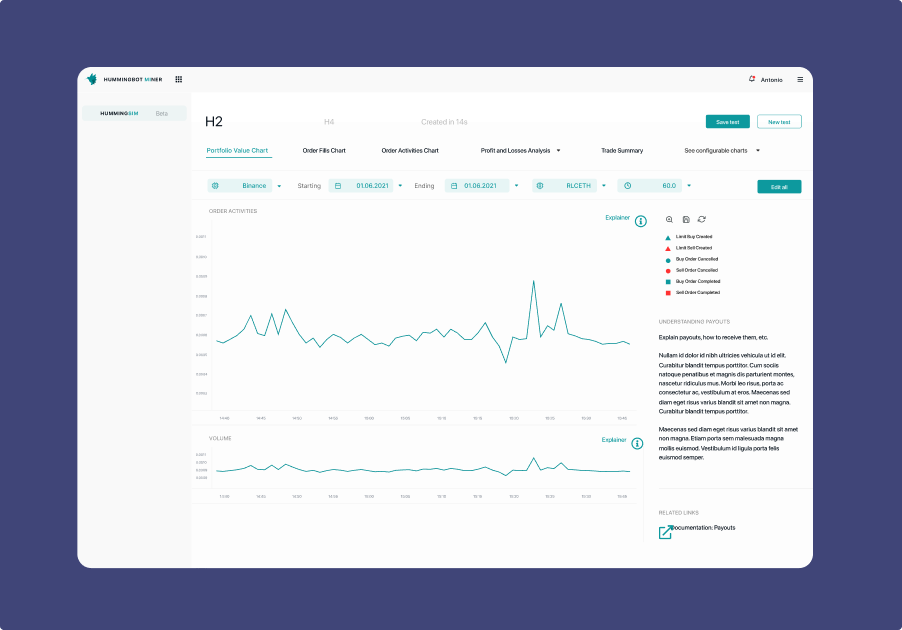 Hummingbot
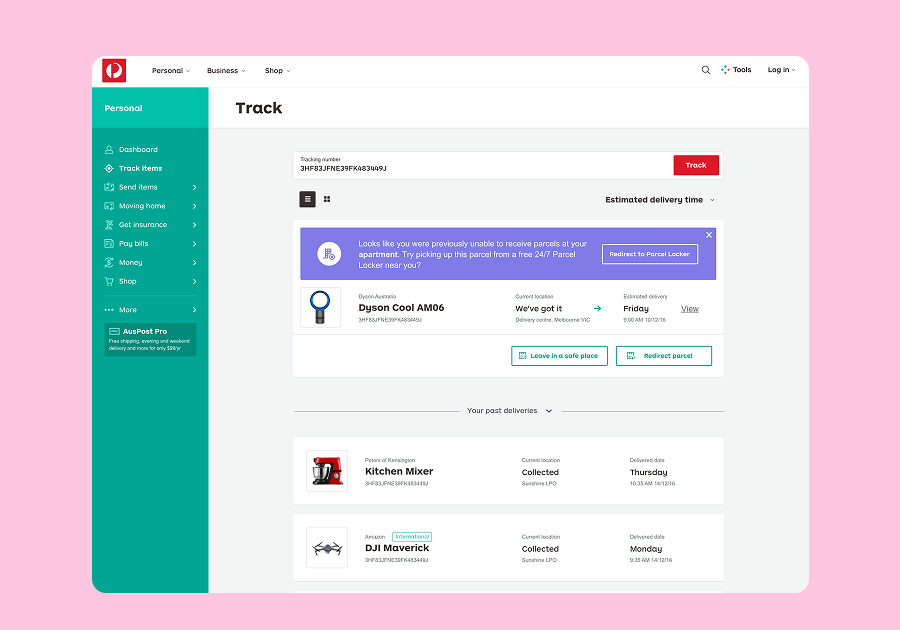 Auspost
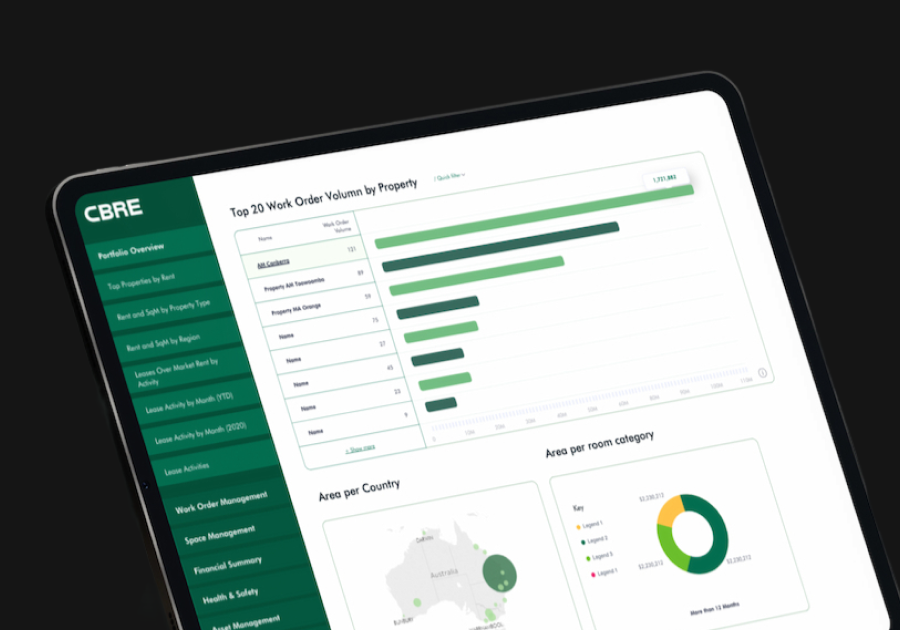 CBRE
CBRE
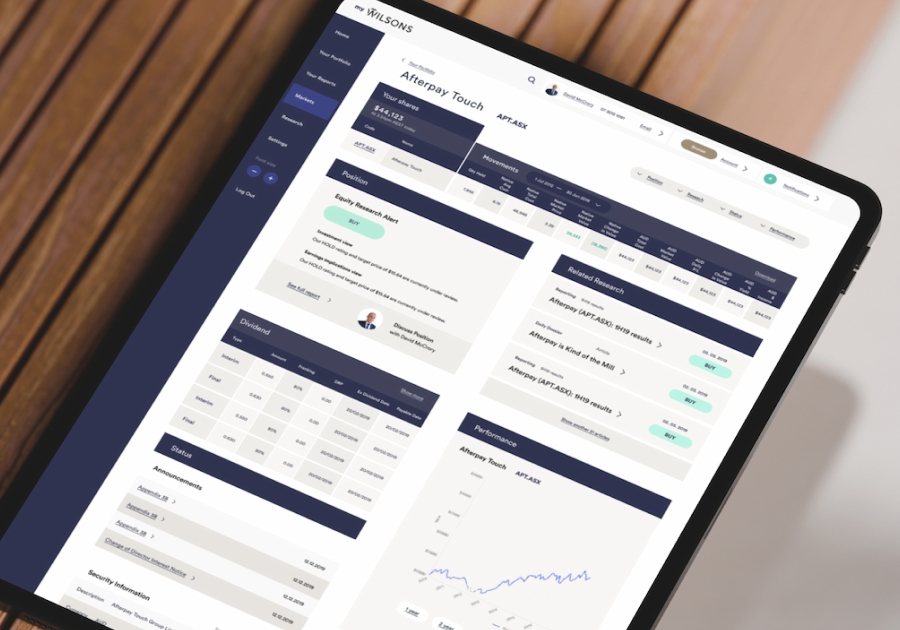 Wilsons Advisory
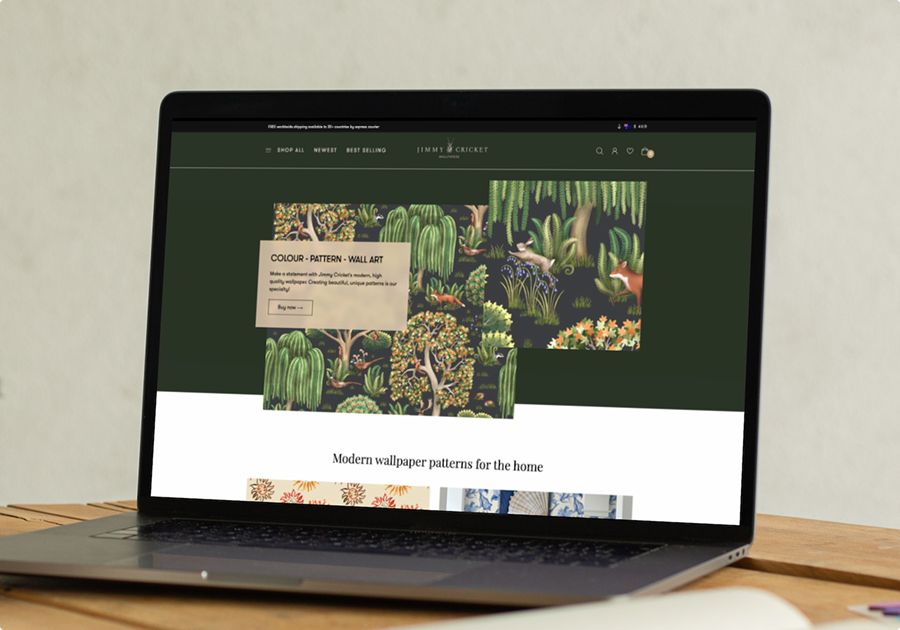 Jimmy Cricket
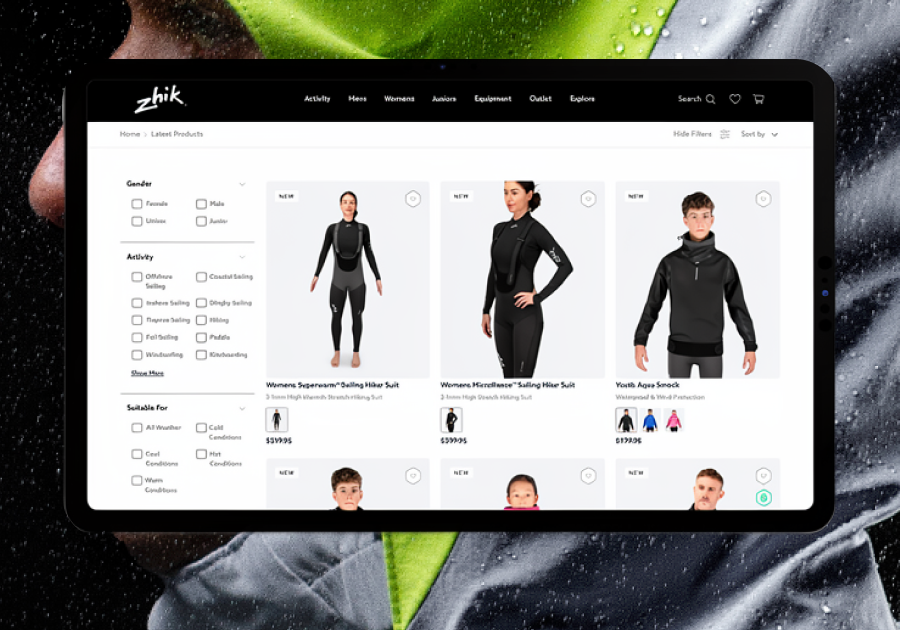 Zhik
Zhik
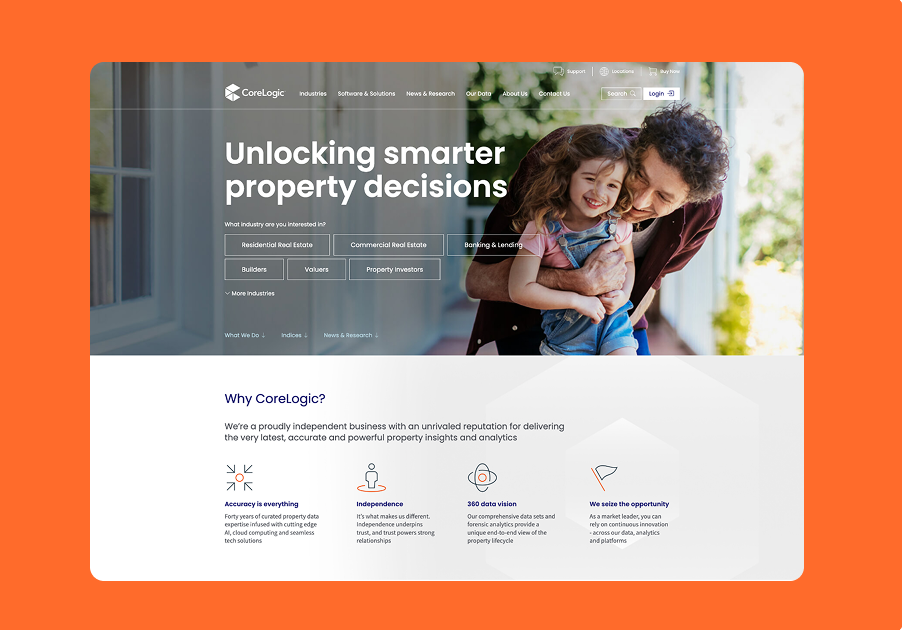 CoreLogic
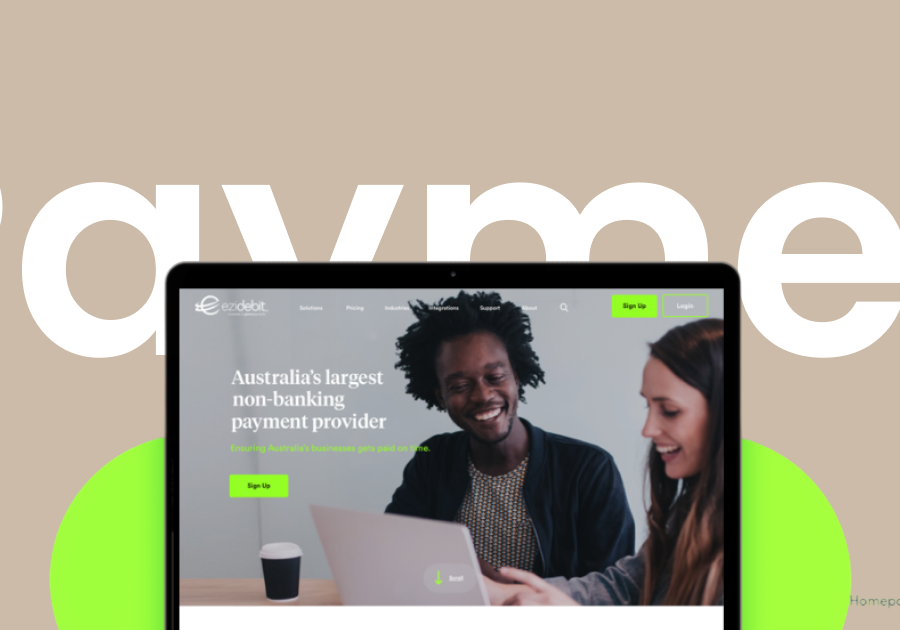 Ezidebit
 Sony Music
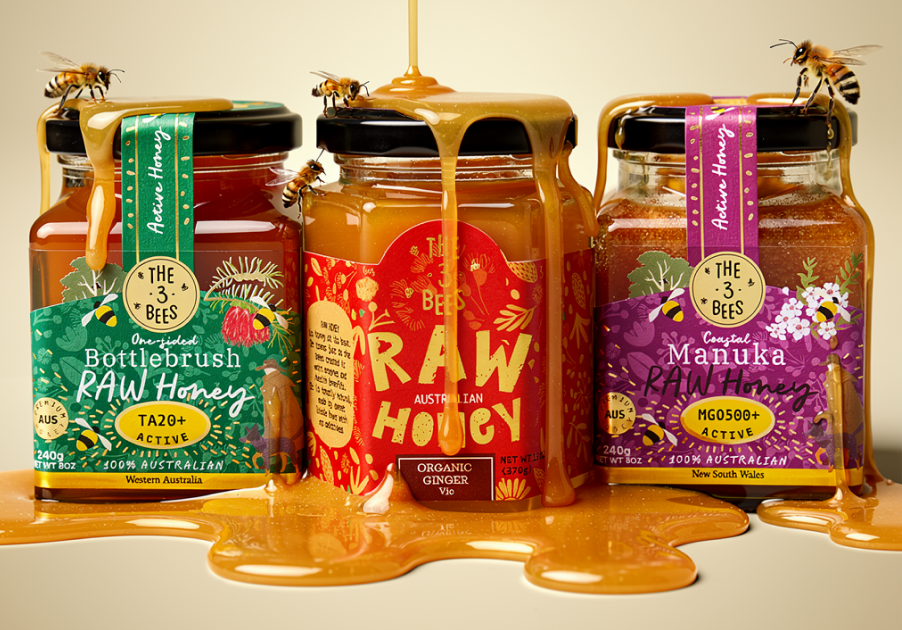 3 Bees Honey
I help businesses and enterprise teams simplify complex products, workflows, and operational ecosystems to improve efficiency, scalability, customer experience, and commercial performance — combining strategy, UX architecture, systems thinking, and rapid prototyping to turn fragmented business and technical complexity into intuitive, scalable digital solutions.
How I help
-
This is the layer most developers don't have — but it's where the biggest leverage lives. I map the full user journey before touching a single screen, frame the problem correctly so we're solving the right thing, and design the information architecture that makes everything else feel obvious.
- User journey mapping
- Problem framing & hypothesis thinking
- Information architecture
- UX flows & edge cases
- Conversion thinking (eCommerce / SaaS)
- Behavioural design — nudges, decision friction
This is what turns "an app" into something people actually use.
-
Not just making things look good — making them feel right. I build component-based systems in Figma that scale cleanly, design every state (not just the happy path), and bring in motion and micro-interactions that give the product a sense of quality.
- Component-based design systems (Figma)
- Responsive design — mobile-first + web
- All states: hover, loading, empty, error
- Micro-interactions & motion design
- Accessibility — contrast, hierarchy, focus
-
I work end-to-end — which means I can build as well as design. This removes the handoff gap that kills most products, and lets me prototype ideas at full fidelity without waiting on a dev cycle.
- HTML, CSS (flexbox, grid)
- JavaScript fundamentals
- React & TypeScript
- Component thinking — props, state, hooks
- AI-assisted development (Cursor, Copilot)
-
Most modern apps are just interfaces on top of APIs. I design and connect both sides — knowing how data flows shapes every interaction decision I make.
- REST & GraphQL
- Authentication — tokens, sessions
- Shopify Storefront API
- OpenAI API integration
- Working with JSON & async data
-
This is where I lean hardest. AI integration isn't just adding a chatbot — it's designing intelligent product behaviour. The difference between a demo and a product that actually works is prompt architecture, context design, and knowing when not to use AI at all.
- Prompt structuring & system design
- Tool calling / function calling
- RAG — retrieval-augmented generation
- Context & memory design
- Embeddings & vector search
-
I don't go deep on backend engineering, but I understand it well enough to make the right architectural decisions and build the data layer an AI product needs.
- Supabase & Firebase
- CRUD operations & auth flows
- Basic server logic (Node.js)
- Database design for AI applications
-
Most design projects die in handoff. I can take a product from Figma to live — including the parts that typically fall between the cracks.
- Git & GitHub
- Hosting on Vercel & Netlify
- Environment variables & config
- Debugging production issues
-
The thing that separates a collection of screens from a real product is systems thinking — the ability to design logic and structure that scales. This is the layer I bring that most standalone designers or developers can't.
- Design systems — UI + logic
- Component libraries (reusable blocks)
- Intent mapping & taxonomy design
- Scalable architecture thinking
How the app work works
-
Primarily iOS and Android native apps, plus responsive web and PWAs. I work within each platform's design language — respecting HIG on iOS and Material guidelines on Android — while building a shared design system that keeps both aligned. If you're cross-platform, I'll help you decide what to share and what to differentiate.
-
It starts with understanding the problem, not jumping to screens. I'll run a discovery phase covering user goals, business objectives, and technical constraints. From there I move through flows and wireframes to high-fidelity Figma prototypes — iterating with your team at each stage before final handoff. The pace adapts to yours.
-
I document them. Every interaction state — loading, empty, error, success, partial data — is designed explicitly rather than left for developers to guess. I use interactive Figma prototypes to communicate motion and transitions, and a component-level spec layer to cover edge cases that don't make it into the main flow.
-
Yes, and I'd recommend it for anything beyond a single-screen prototype. A proper design system — tokens, components, usage guidelines — pays for itself in the first sprint after launch. I build in Figma using auto-layout and variables so it stays maintainable, and I'll document enough for your developers to extend it without me.
-
That's usually the best arrangement. I embed into your team's workflow — joining standups, using your tools, and delivering in the format your devs prefer. I've worked with React Native, SwiftUI, Kotlin, and Flutter teams. Close collaboration between design and engineering is how good apps actually ship.
A great website isn't a brochure — it's a conversion machine. It needs to communicate clearly, load fast, look sharp on every device, and guide people toward doing the thing you actually want them to do. I've built websites for startups, agencies, eCommerce brands, and everything in between.
From strategy and wireframes through to design systems and front-end build, I work the full stack of web. That means you get one person who understands the brief, the brand, the user, and the code — with no handoff gaps and no blame game between design and dev.
How I help
-
Before a single pixel is placed, I map where users come from, what they need to believe, and what they need to do. Most websites fail not because they look bad — but because they weren't thought through. I fix that upstream.
- User journey mapping & intent analysis
- Conversion funnel design
- CRO — calls to action, friction reduction
- Landing page strategy
- Analytics planning & goal setting
-
Design that earns trust in the first three seconds. I build layouts with strong visual hierarchy, carefully chosen typography, and a colour system that supports the brand. Not templates — crafted from the brief up.
- Page layouts & visual hierarchy
- Typography systems
- Colour palettes & brand application
- Animation & scroll interactions
- All states: hover, active, empty, error
-
I build in code — which means what I design is what gets built. No translation loss, no "that's not technically possible" from a separate dev. Clean, semantic HTML and CSS with JavaScript where it genuinely adds value.
- HTML5, CSS3 — flexbox, grid, custom properties
- Vanilla JS & modern frameworks
- Smooth animations & scroll effects
- Web performance — fast load times
- AI-assisted development where it speeds things up
-
Selling online is a different discipline to building a marketing site. Every screen needs to reduce doubt and increase confidence. I design eCommerce experiences that are clean, trustworthy, and built to convert — on Shopify and beyond.
- Shopify — theme design & custom builds
- Product pages that actually sell
- Checkout UX optimisation
- Collection & filter design
- Shopify Storefront API / headless builds
-
A beautiful website that no one can find is a very expensive business card. I build with performance and search visibility in mind from the ground up — not bolted on at the end.
- Core Web Vitals — LCP, CLS, FID
- Semantic HTML & structured data
- Image optimisation & lazy loading
- Meta strategy & on-page SEO fundamentals
- Accessibility — screen readers, ARIA, focus
-
More than half your visitors are on a phone. I design mobile-first — not as an afterthought, but as the primary canvas. That means layouts, tap targets, and content hierarchies that feel native on mobile and scale up gracefully to desktop.
- Mobile-first design approach
- Fluid typography & spacing (clamp)
- Breakpoint strategy across devices
- Touch-friendly interactions
- Progressive enhancement
-
Your team needs to be able to update the site without calling a developer. I design and build around content management from the start — choosing the right CMS for the project and structuring content so it's editable without breaking the design.
- Headless CMS — Sanity, Contentful, Storyblok
- Webflow — design & CMS builds
- WordPress — custom themes & blocks
- Content modelling & schema design
-
One-off websites are a dead end. I build component libraries — both in Figma and in code — that mean new pages take hours, not weeks, and the brand stays consistent as the site grows.
- Component-based design in Figma
- Token-based colour & type systems
- Reusable HTML/CSS component library
- Usage documentation for in-house teams
How the website work works
-
Marketing sites, portfolio sites, eCommerce stores, SaaS product sites, landing pages, and content-heavy editorial sites. I work in code, Webflow, and Shopify depending on what's right for the project. If you're not sure which is the right approach, that conversation is part of the brief — and it's free.
-
It starts with a discovery phase — understanding your audience, your goals, and what success looks like. Then I move through sitemap and wireframes, to visual design in Figma, to a working prototype, to build and launch. You're involved at every gate, nothing ships without your sign-off, and the pace adapts to your team's availability.
-
Both, and deliberately. For bespoke marketing sites and web apps I build in clean HTML/CSS/JS or a modern framework. For projects where the team needs to own and edit content without a developer, Webflow or a headless CMS setup often makes more sense. I'll recommend the right tool for your situation — not the one I'm most comfortable with.
-
Both are baked in from the start rather than added at the end. On the SEO side that means proper semantic structure, meta strategy, and clean URL architecture. On performance it means optimised assets, minimal blocking scripts, and a focus on Core Web Vitals scores that actually move the needle in Google's eyes.
-
Yes to both. I can audit an existing site, identify the highest-leverage improvements, and implement them — whether that's a full redesign or targeted fixes to pages that aren't converting. If you've got something that mostly works but needs sharpening, I'm comfortable picking up someone else's codebase.
Brand is the thing that survives when everything else is copied. Good visual identity isn't decoration — it's a business asset that earns trust in a glance, communicates positioning without words, and holds together across every surface your company touches.
I work across the full scope of brand — from initial strategy and naming through to logo design, identity systems, and the guidelines that let your team apply it consistently. Whether you're starting from zero or modernising something that's grown out of shape, I've done it across industries, company sizes, and budgets.
How I help
-
Before any visual decisions are made, the strategy needs to be clear. Who are you for, what do you stand for, and why does it matter more than your nearest competitor? This layer is what separates brands that last from logos that date.
- Positioning & differentiation
- Audience definition & persona work
- Competitive landscape mapping
- Brand values & personality attributes
- Naming — new brands & product lines
-
The mark, the palette, the type, the system. I design logos that work at 16px and on the side of a van — and build the full visual language around them so the brand feels intentional everywhere it appears.
- Logo design — wordmark, icon, lockups
- Colour palette — primary, secondary, accessible
- Typography selection & pairing
- Iconography & illustration style
- Photography & art direction guidelines
-
A brand that can't be applied consistently by other people is a brand that only exists in one designer's head. I build guidelines that are specific enough to maintain quality, but flexible enough that your team can actually use them.
- Usage rules — dos & don'ts
- Logo clear space & sizing
- Colour usage & accessibility ratios
- Typography hierarchy & usage
- Digital & print application specs
-
Brand that lives only on screens is only half a brand. I design the physical touchpoints — the things people hold, read, and remember — with the same rigour as the digital identity.
- Business cards & stationery
- Brochures, decks & sales materials
- Packaging & label design
- Signage & environmental graphics
- Print-ready file preparation
-
Your brand needs to perform in feeds, inboxes, and product interfaces — not just on a PDF of guidelines. I extend visual identities into the specific formats where they actually live.
- Social media templates & assets
- Email design & HTML templates
- Digital advertising formats
- Presentation & pitch deck design
- Brand application to UI components
-
When brands grow they get complicated — sub-brands, product lines, acquired companies, regional variants. Brand architecture is the decision framework that keeps it all coherent without looking like four different companies.
- Parent / sub-brand relationships
- Product line naming & visual logic
- Endorsed vs. standalone brand models
- Rebranding & merger identity work
-
How a brand sounds is as distinctive as how it looks. Tone of voice, vocabulary, messaging hierarchy — these are the things that make copy feel ownable rather than generic. I work on the verbal layer either standalone or as part of a full brand project.
- Tone of voice definition
- Messaging hierarchy — what to say, in what order
- Tagline & strapline development
- Copy review & voice application
-
Rebrands are more complex than starting fresh — there's equity to protect, stakeholders to manage, and rollout to plan. I've led brand evolution projects that modernised identities without losing what people already associated with the name.
- Brand equity audit — what to keep
- Stakeholder workshops & alignment
- Evolved vs. revolution decision frameworks
- Phased rollout planning
- Internal launch & adoption support
How the brand work works
-
At minimum: logo suite (primary, secondary, icon), colour palette, typography system, and usage guidelines. Most projects also include collateral design — business cards, letterheads, social templates — and an extended guidelines document your team can actually use. The exact scope depends on your stage and budget, and I'll be straightforward about what's necessary versus nice-to-have.
-
It starts with a discovery phase — a structured conversation about your business, your audience, and what you want the brand to do. From there I move through strategy and mood boards, to initial logo concepts, to refinement and full identity development. There are clear review stages so nothing comes as a surprise, and I'll explain the thinking behind every decision.
-
Yes, and rebrands are often the more interesting problem. The question isn't just "what should it look like" — it's "what equity exists in the current brand, and how do we preserve it while moving forward." I approach rebrands forensically: auditing what's working, identifying what needs to change, and designing an evolution that feels intentional rather than arbitrary.
-
Every brand project ends with a guidelines document built for actual use — not a 60-page PDF that gets opened once and forgotten. I structure guidelines around the decisions people actually have to make: what colour goes on what background, which typeface for headlines vs. body, how the logo behaves at small sizes. Delivered as a shareable PDF and, where needed, a Figma library your team can work directly from.
-
Yes — and I'd argue you need someone who can do both for the work to hold together. Visual identity that isn't grounded in strategy is decoration. Strategy without someone who can execute it visually stays on a deck. I work across both layers, which means the thinking and the look are always aligned.